Top 10 Spring Hose Clamp Types for Your Project Needs?
Spring Hose Clamps play an essential role in various industries, providing secure and reliable connections for hoses. According to a report by the Industrial Fasteners Institute, the demand for hose clamps is projected to grow by over 5% annually, reflecting their crucial importance in the automotive and manufacturing sectors. Choosing the right type of spring hose clamp can significantly impact the efficiency of any project.
The versatility of spring hose clamps makes them suitable for numerous applications. From automotive assemblies to garden irrigation systems, these clamps ensure a tight fit that accommodates fluctuations in pressure and temperature. However, not all spring clamps are created equal. Understanding the differences between the types available is vital for ensuring safety and durability. A misstep in selection could lead to leaks or system failures.
Industry professionals often emphasize the importance of choosing clamps designed for specific conditions. Projects can fail without the right tools, leading to delays and increased costs. Even minor errors in clamp selection can undermine the reliability of a system. As you explore the top 10 types of spring hose clamps, consider both their benefits and potential drawbacks to make informed decisions for your needs.
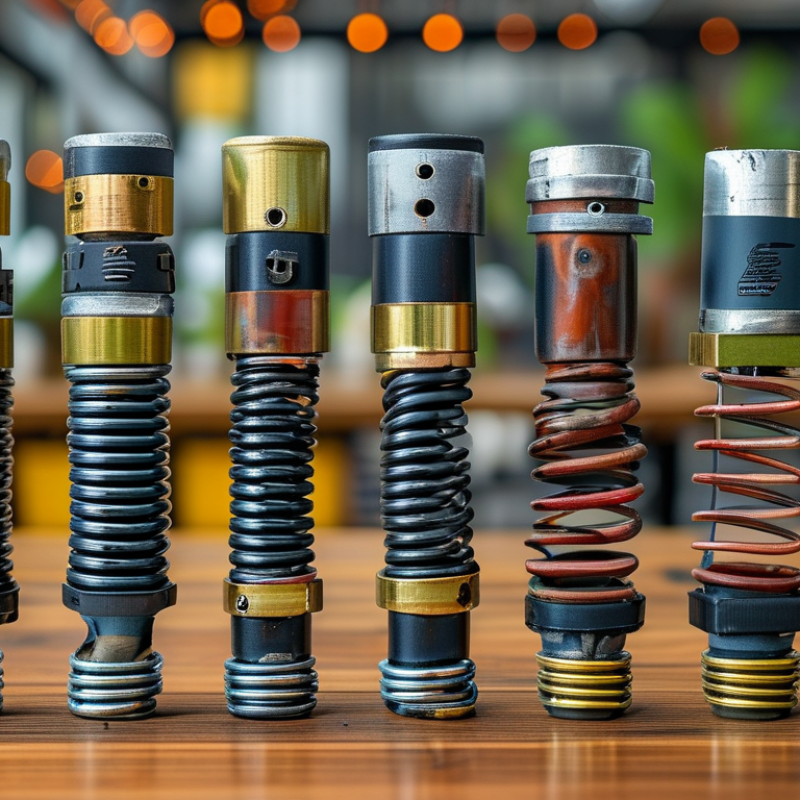
Types of Hose Clamps: An Overview of Spring Models
When exploring hose clamps, spring models stand out for their versatility. These clamps operate using spring tension, offering consistent pressure. They are particularly useful in applications involving vibrations and movement. Their self-adjusting nature makes them reliable for various projects.
One popular type is the constant tension clamp. It maintains pressure even as the hose changes shape. This prevents leaks, ensuring a secure fit. Another option is the ear clamp. It is durable and provides a strong hold. These clamps often excel in automotive and industrial applications.
Tips for selecting the right spring clamp: check the material compatibility. Some materials resist corrosion better than others. Take note of the hose diameter to ensure a snug fit. Lastly, installation can be tricky. Practice makes perfect, so don't hesitate to experiment before final use.
Understanding the Key Features of Spring Hose Clamps
Spring hose clamps play a vital role in various projects. They provide secure connections in hoses, preventing leaks and ensuring durability. Understanding their key features can help you choose the right clamp for your needs.
One important feature of spring hose clamps is their ability to adjust to changes in diameter. As materials expand or contract, these clamps maintain consistent pressure, ensuring a tight seal. Their design also allows for quick installation without special tools. Moreover, the materials used, such as stainless steel, offer resistance to corrosion. This can be crucial in environments exposed to moisture or chemicals.
However, there are some considerations. Not all spring clamps are suitable for every application. You may need to assess the pressure requirements and hose material type. A mismatched clamp can lead to failure, creating potential hazards. Take the time to evaluate each feature carefully. In some cases, trying different types may lead to unexpected, yet valuable, insights into their performance.
Top 10 Spring Hose Clamp Types for Your Project Needs
| Clamp Type | Material | Temperature Range | Pressure Rating | Usage |
| Standard Spring Clamp | Stainless Steel | -50°C to 120°C | 10 Bar | Automotive, HVAC |
| Plastic Spring Clamp | Polypropylene | -20°C to 80°C | 3 Bar | Home Gardening |
| Heavy-Duty Spring Clamp | Carbon Steel | -40°C to 150°C | 15 Bar | Industrial Applications |
| Cobra Spring Clamp | Galvanized Steel | -30°C to 100°C | 8 Bar | Plumbing |
| Mini Spring Clamp | Stainless Steel | -10°C to 90°C | 5 Bar | Small Hoses |
| Tension Spring Clamp | Aluminum | -20°C to 120°C | 6 Bar | Mechanical Assemblies |
| Pressure Spring Clamp | Stainless Steel | -40°C to 150°C | 12 Bar | Fuel Lines |
| Corrosion-Resistant Clamp | Zinc-Plated Steel | -30°C to 100°C | 10 Bar | Coastal Areas |
| Adjustable Spring Clamp | Plastic | -10°C to 70°C | 4 Bar | General Use |
Applications and Use Cases for Spring Hose Clamps
Spring hose clamps are crucial in various applications across industries. Their primary role is to secure hoses tightly, preventing leaks and ensuring system integrity. In automotive settings, these clamps are essential for connecting radiator and fuel hoses. They withstand high temperatures and vibrations, making them reliable.
In plumbing and HVAC systems, spring hose clamps provide flexibility. They adjust to temperature changes, keeping connections secure under pressure. For food and beverage industries, these clamps meet safety standards for hygiene. However, they may be less effective on larger diameters, requiring alternative solutions. In agricultural applications, they connect irrigation hoses, ensuring water flows efficiently. Each use case highlights the importance of proper selection based on material and size.
Choosing the right spring hose clamp is not always straightforward. Factors like material compatibility and environmental exposure must be considered. A poorly chosen clamp can lead to failures, which may result in costly repairs. This complexity emphasizes the need for careful analysis and understanding of project requirements.
Comparing Material Options for Durability and Performance
When selecting spring hose clamps, material plays a crucial role in both durability and performance. Common materials include stainless steel, plastic, and brass. Stainless steel is favored for its corrosion resistance. According to industry reports, stainless steel clamps can maintain their integrity in temperatures from -30°F to 400°F. This makes them ideal for demanding environments.
Plastic clamps, on the other hand, are lightweight and resistant to certain chemicals. However, they may not withstand extreme temperatures as well as metal options. Some studies show that plastic hose clamps can fail at temperatures above 185°F, making them less reliable in high-heat applications.
Brass clamps combine strength with resistance to corrosion. They are often used in plumbing and automotive applications. However, they can be more expensive than their plastic counterparts. Many engineers recommend evaluating the specific needs of your project before choosing materials.
There's no one-size-fits-all solution. Consider the environment where the clamp will be applied. Regular inspections can help identify wear and tear before failure occurs. Different materials offer varying levels of security and reliability. Making informed choices can prevent costly leaks and repairs.
Top 10 Spring Hose Clamp Types Comparison
Choosing the Right Size and Fit for Your Project Needs
Choosing the right size and fit for your hose clamp is crucial for any project. A well-fitted clamp creates a secure seal, preventing leaks. Measure the diameter of your hose accurately. The right size ensures optimal pressure and functionality. A mismatch can lead to failure. It’s essential to have a few options on hand. That way, you can experiment with different sizes.
When selecting hose clamps, consider the material. Stainless steel is durable and resistant to corrosion. Plastic clamps can be lightweight but may not withstand high pressure. Think about the environment where you’ll use them. High temperatures or exposure to chemicals can affect performance. Sometimes, adjustments are necessary. A clamp that seems perfect may need fine-tuning.
Remember, the variety of clamp types can be overwhelming. You might feel uncertain about your choices. Don’t hesitate to seek advice from experts. Learning through trial and error is part of the process. Analyze your project's specific needs carefully. Each detail matters when it comes to securing hoses effectively. The right selection can save time and resources in the long run.