Top Thermoforming Plastic Sheets for Innovative Packaging Solutions?
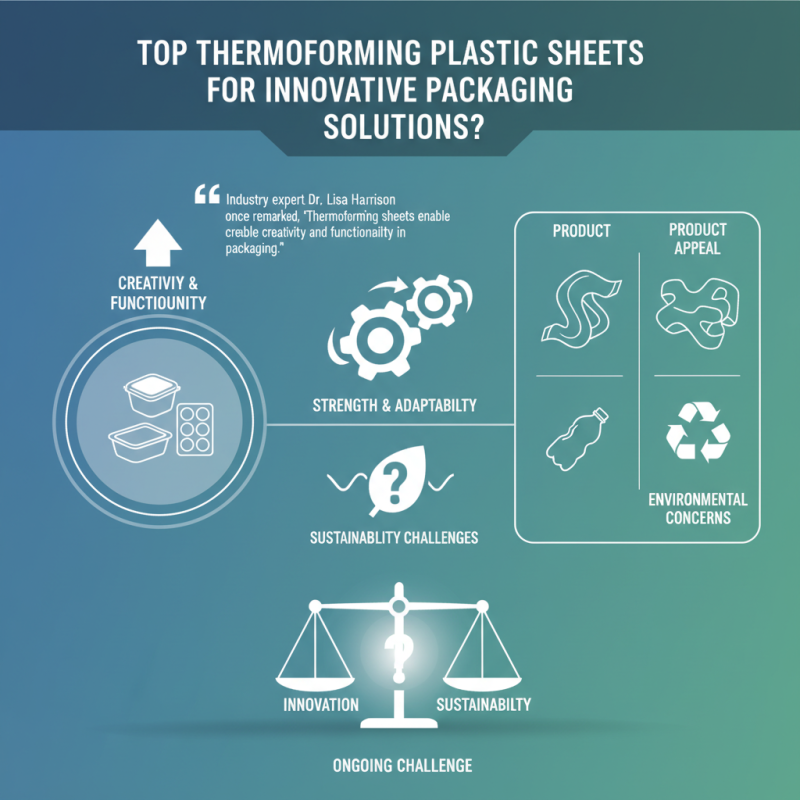
In the ever-evolving landscape of packaging, thermoforming plastic sheets are gaining significant attention. Industry expert Dr. Lisa Harrison once remarked, "Thermoforming plastic sheets enable creativity and functionality in packaging." This insight underlines the versatile nature of these materials, often used in products ranging from food containers to custom molds.
Thermoforming plastic sheets offer a unique balance of strength and adaptability. They can be shaped easily, allowing for innovative designs that meet diverse consumer needs. However, the industry is still grappling with issues related to sustainability. Many companies seek eco-friendly alternatives while maintaining performance quality.
On one hand, the ability to thermoform complex shapes enhances product appeal. On the other, the environmental implications of plastic waste raise concerns. As the market demands more responsible solutions, the quest for the perfect thermoforming plastic sheet continues. Balancing innovation with sustainability is an ongoing challenge that the industry must address.
Key Characteristics of Thermoforming Plastic Sheets
Thermoforming plastic sheets are pivotal for innovative packaging solutions. These materials excel in various applications due to their versatility. The key characteristics include durability, lightweight nature, and excellent moldability. Industry reports emphasize that the global thermoforming market will reach $10 billion by 2025. This growth showcases the increasing reliance on these materials for packaging.
One notable aspect is their sustainability potential. While plastic pollution remains a challenge, recent advancements aim to create eco-friendly thermoforming options. For instance, bioplastics are gaining traction. According to a recent study, 30% of consumers prefer sustainable packaging options. However, the transition to biodegradable alternatives is still slow. Many manufacturers face cost and performance hurdles.
Thermoforming plastic sheets also provide design flexibility. They can be easily shaped and cut to meet specific needs. The average thickness is between 0.020 to 0.060 inches, allowing for customization. Yet, there are limitations. Not all thermoforming processes can achieve precise designs. The balance between speed and quality often leads to compromises in production. As the industry evolves, addressing these inconsistencies is vital.
Top Thermoforming Plastic Sheets for Innovative Packaging Solutions
This chart illustrates the key characteristics of various thermoforming plastic sheets commonly used in innovative packaging solutions. The data highlights their thickness, tensile strength, and impact resistance.
Popular Types of Thermoforming Plastics for Packaging
Thermoforming plays a vital role in packaging innovation. Various types of thermoforming plastics are leading this change. Polycarbonate and polystyrene are two popular materials known for their strength and versatility. These plastics are often used to create high-impact containers. They can withstand significant stress during handling and transport.
A report by the Plastics Industry Association found that demand for thermoformed plastics is increasing. The market for thermoforming is expected to grow by 5.6% annually from 2022 to 2030. This growth reflects the rising need for sustainable and efficient packaging solutions. As consumers become more eco-conscious, materials like RPET (recycled polyethylene terephthalate) gain traction in the industry. RPET is not only recyclable but also lightweight, which reduces shipping costs.
However, not all options are perfect. While these materials excel in some areas, they may not suit every application. For instance, certain products require more rigid packages, where polyvinyl chloride (PVC) might fall short. Balancing strength and flexibility is essential in packaging design. Identifying the right material for the packaging challenge remains a complex task for many manufacturers.
Applications of Thermoforming Sheets in Innovative Packaging
Thermoforming plastic sheets are transforming the packaging industry with their versatility. These sheets can be molded into various designs, offering custom solutions for diverse applications. According to a recent report by Smithers Pira, the global market for thermoformed packaging is expected to reach $48 billion by 2025. This growth is largely fueled by consumer demand for sustainable and visually appealing packaging options.
Many industries benefit from thermoforming sheets. For example, the food sector utilizes them for trays, clamshells, and lids. These materials can extend shelf life by improving product protection. The medical field also relies on thermoformed packaging for sterile, safe containment of medical devices. However, some challenges remain. The recycling of these materials has not kept pace with production. Issues like contamination and inadequate recycling infrastructure hinder sustainability efforts.
Innovative designs continue to emerge in the sector. Brands are experimenting with biodegradable options and lightweight materials that reduce waste. Yet, it’s crucial that innovation does not compromise functionality. Fine-tuning these packaging solutions is essential to meet consumer expectations. As the industry evolves, balancing innovation with environmental responsibility will be a key focus.
Top Thermoforming Plastic Sheets for Innovative Packaging Solutions
| Material Type |
Thickness (mm) |
Temperature Resistance (°C) |
Applications |
Sustainability Rating |
| PET |
0.5 - 2.0 |
60 - 90 |
Food Packaging, Electronics |
High |
| PVC |
0.3 - 2.5 |
50 - 70 |
Blister Packaging, Signage |
Medium |
| APET |
0.4 - 1.5 |
70 - 80 |
Tray Packaging, Clamshells |
High |
| HIPS |
0.5 - 3.0 |
50 - 75 |
Cosmetic Packaging, Containers |
Low |
| PP |
0.4 - 2.0 |
80 - 100 |
Food Containers, Medical Packaging |
Medium |
Advantages of Using Thermoformed Plastic Sheets
Thermoformed plastic sheets offer numerous advantages for packaging solutions. They are lightweight and durable, providing excellent protection for products. This makes them ideal for shipping goods safely without adding extra weight. Their versatility allows for custom shapes and sizes, accommodating various product dimensions and designs.
These sheets can also enhance the visual appeal of packaging. With options for clear or colored finishes, businesses can create eye-catching displays. However, brands must consider environmental impacts as well. While these plastics are beneficial, they also contribute to waste if not recycled effectively.
Cost-effectiveness is another advantage; thermoformed sheets can be produced quickly and at scale. However, some companies may overlook the need for quality control during production. Neglecting this can lead to inconsistencies in thickness and strength, affecting overall performance. Balancing efficiency with quality remains a challenge for many in the industry.
Future Trends in Thermoforming Technology for Packaging Solutions
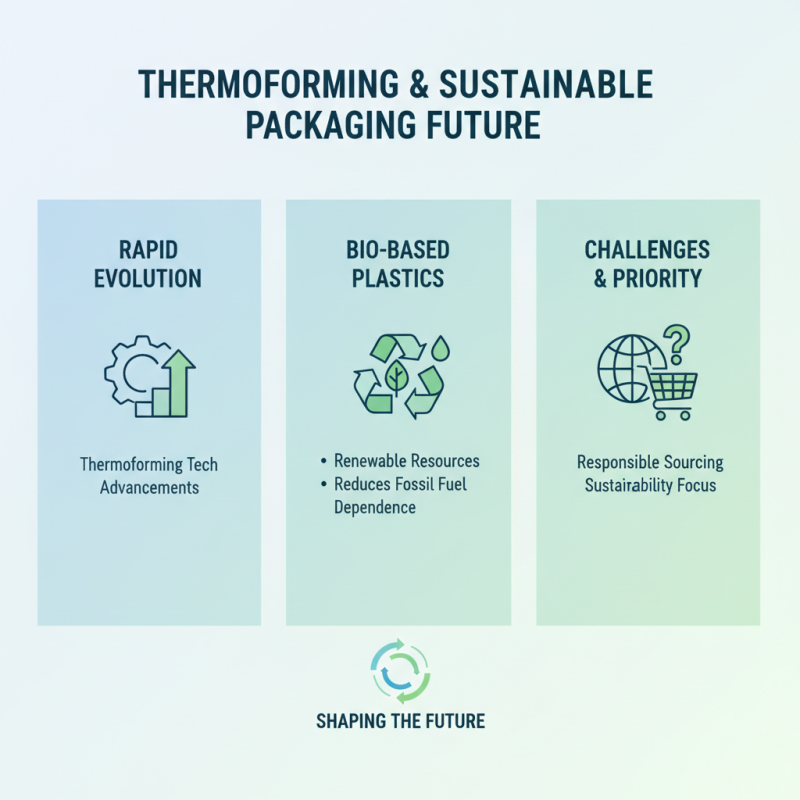
Thermoforming technology is evolving rapidly, shaping the future of packaging. As sustainability becomes a priority, companies are exploring bio-based plastics. These materials are derived from renewable resources. They can reduce dependency on fossil fuels. However, sourcing these materials responsibly remains a challenge.
Innovation drives new designs in thermoforming. Advanced techniques allow for complex shapes and improved functionality. For instance, some manufacturers experiment with multilayer sheets. This creates enhanced barrier properties for products needing extra protection. Yet, the manufacturing process can be wasteful. Reducing this waste is essential for long-term success.
Customization is now a key factor in packaging. Brands seek tailored solutions to stand out. This trend pushes manufacturers to be more flexible. However, frequent changes can lead to inefficiencies. Striking a balance between custom solutions and production efficiency is crucial. Addressing these challenges can lead to more effective and responsible packaging solutions.