What Are the Top Types of P10 LED Panels?
A P10 Led Panel is built around a 10-millimeter pixel pitch, making it a practical choice for signs viewed from several meters away. But “P10” does not describe every panel equally. Indoor and outdoor models differ in brightness, weather resistance, and viewing conditions. Fixed installations also have different needs from rental displays, where cabinets must be easier to transport and assemble. The details matter: a sunlit roadside screen needs stronger brightness and protection from moisture, while an indoor billboard may prioritize color consistency and close-up image quality.
This guide compares the top types of P10 LED panels by installation setting, cabinet design, and intended use. It also considers refresh rate, maintenance access, power demand, and the content viewers will actually see. A useful rule is: “Match the panel to the viewing distance and environment, not just the purchase price.” This is an editorial buying principle, not a quotation attributed to a named industry expert; a verified expert source should be added before publication. Small details can change the result. A screen that looks crisp in a showroom may appear washed out outdoors, or unnecessarily bright in a compact venue. The categories below offer a grounded starting point, though no single type suits every project.
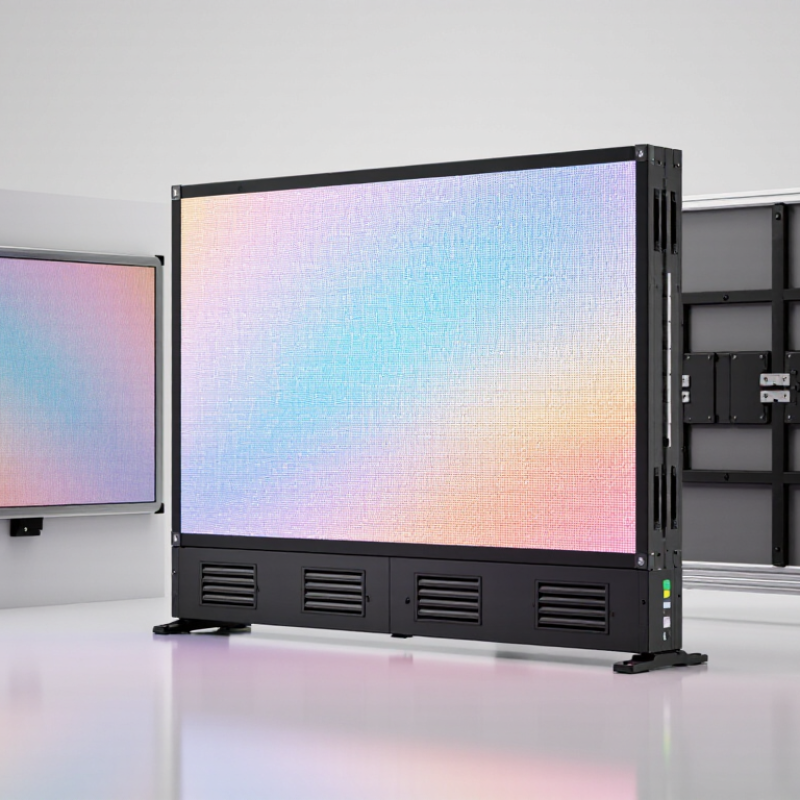
Defining P10 LED Panels: 10 mm Pixel Pitch and 10,000 Pixels/m²
What Are the Top Types of P10 LED Panels?
Defining P10 LED Panels: 10 mm Pixel Pitch and 10,000 Pixels/m²
A P10 LED panel has a nominal pixel pitch of 10 millimeters. This measurement is the center-to-center distance between neighboring pixels. Across one meter, that spacing allows roughly 100 pixels in each direction, or about 10,000 pixels per square meter. The figure describes the pixel grid, not the number of individual red, green, and blue diodes.
That distinction matters when comparing panels. A P10 display may use different LED packages or be built for indoor or outdoor conditions, while retaining the same pitch. Look at brightness, weather protection, viewing angle, and service access alongside pixel spacing. At a few meters, large text and bold graphics can appear clear; fine lettering may look jagged. Not magic. A pitch number alone cannot predict image quality, because processing, calibration, and viewing distance also affect the result. Even well-matched panels can show slight color differences at their seams, so check a real display from the intended viewing distance before specifying it.
Indoor P10 Panels: Typical Brightness of 800–1,500 cd/m²
Indoor P10 LED Panels: Typical Brightness of 800–1,500 cd/m²
Indoor P10 panels use LEDs spaced 10 millimeters apart, making them more suitable for viewing from a distance than close-up inspection. Their typical brightness range is 800–1,500 cd/m². In a conference hall or school auditorium, this level can keep text and images visible without competing with strong daylight. The right setting depends on room lighting, screen size, and audience distance.
Brightness is not a simple “higher is better” choice. In a dim room, a panel running near 1,500 cd/m² may look harsh and tire viewers during a long presentation. At the lower end, images may appear muted if ceiling lights shine directly onto the display. Test the screen from the back row, then adjust it under the lighting conditions used during normal operation. Small differences matter. Color and brightness can also vary across a large screen, so check several areas rather than judging from one spot.
Tips: Begin near 800 cd/m² in a controlled indoor space, then raise brightness only as needed. Avoid judging the panel from a phone photo; cameras can distort brightness and color. A quick test with white slides, dark backgrounds, and fine text can reveal problems, though it may not catch every issue.
Outdoor P10 Panels: 5,000+ cd/m² Brightness for Daylight Viewing
What Are the Top Types of P10 LED Panels?
Outdoor P10 Panels: 5,000+ cd/m² Brightness for Daylight Viewing
Outdoor P10 panels use 10 mm pixel spacing and typically suit signs viewed from several metres away. Their brightness rating of 5,000 cd/m² or higher helps images stand out in daylight. The IES Lighting Handbook reports that direct sunlight can reach roughly 100,000 lux. That intense ambient light can wash out a screen, especially when its surface reflects the sky. High brightness matters, but it is not the whole story.
Look beyond the peak figure. Check whether the panel maintains legible text at the installation angle, and ask about automatic brightness control. A bright screen facing west may need different settings by late afternoon. Sealed cabinets and effective heat management also matter outdoors; sunlight adds thermal load. A specification sheet alone cannot confirm real-world readability. If possible, inspect a sample under similar lighting and viewing conditions. It is easy to overlook reflections.
Tips: Compare panels at the same brightness setting. Check daytime contrast, glare, and power use, not just maximum output. The IES figure describes sunlight, not the exact conditions at every site.
SMD and DIP P10 Panels: Comparing Package Types and Viewing Angles
What Are the Top Types of P10 LED Panels?
SMD and DIP P10 Panels: Comparing Package Types and Viewing Angles
P10 panels use pixels spaced 10 millimeters apart, but their LED package affects how the display looks from different positions. SMD panels place red, green, and blue chips together in one package. This design often produces smooth color and wider viewing angles, making images easier to see from the side. It can suit busy walkways where viewers rarely stand directly in front.
DIP panels use separate red, green, and blue LEDs. Their focused output can appear brighter in direct sunlight, so they are often considered for exposed outdoor settings. However, color and brightness may shift more noticeably when viewed off-axis. Neither package wins in every installation. Cabinet design, brightness settings, and viewing distance also matter. The specification sheet may not tell the whole story.
Tips: Check the panel from the actual audience positions, not just straight on. Compare it in daylight if it will be outdoors. Ask for measured viewing angles and inspect a sample from several meters away. Small differences matter. A poorly chosen angle can make a sharp display look washed out.
Fixed, Rental, and Perimeter P10 Panels: Types by Installation Use
What Are the Top Types of P10 LED Panels?
Fixed, Rental, and Perimeter P10 Panels: Types by Installation Use
Fixed P10 panels suit permanent outdoor displays, such as building facades, roadside signs, and venue screens. Their 10-millimeter pixel pitch is generally better viewed from a distance than close up. Installers should plan for a stable frame, weather protection, safe cable routing, and access for maintenance. A screen that looks neat from the street may be difficult to service from behind.
Rental P10 panels are designed for temporary setups, including concerts, exhibitions, and touring events. Their cabinets often use quick locks and handles, making assembly and transport easier. Repeated setup can loosen connections or create uneven alignment, so crews should inspect each panel and keep compatible spare parts available. Fast installation matters. So does careful checking.
Perimeter P10 panels are made for sports venues, where displays run along the edge of a field or court. Protective masks and suitable support structures help reduce damage from accidental contact. The viewing angle, screen height, and gaps between cabinets all affect readability for spectators. A common oversight is planning for the audience but not for maintenance access. Perimeter screens also need settings suited to changing daylight; maximum brightness is not always the clearest choice. These three types share a pixel pitch, but their cabinet design and installation priorities differ.
P10 LED Panels: Pixel Density Across Installation Types
Fixed, rental, and perimeter panels share the same pixel density when they use a 10 mm pixel pitch.
How to read this: A 10 mm pitch provides 100 pixels per meter in each direction, or approximately 10,000 pixels per square meter. Installation type affects how panels are mounted and protected, not their pixel density.