What is Urolithin A Powder and Its Health Benefits?
Urolithin A Powder is gaining popularity for its potential health benefits. Dr. Sarah Johnson, a renowned biochemist, states, "Urolithin A Powder may enhance cellular health." This simple compound derived from ellagitannins found in pomegranates holds unique promise.
Recent studies reveal that Urolithin A Powder supports mitochondrial function. Improved mitochondrial health can lead to increased energy and better overall wellness. Yet, as with any supplement, results can vary among individuals. Some may experience significant benefits, while others may notice minimal changes.
This compound's journey from food to supplement highlights the need for rigorous research. While initial findings are promising, further investigation is essential. Individuals considering Urolithin A Powder should consult healthcare professionals. Understanding personal health needs is crucial, as not all supplements work for everyone. The exploration of Urolithin A Powder remains an exciting yet complex field.
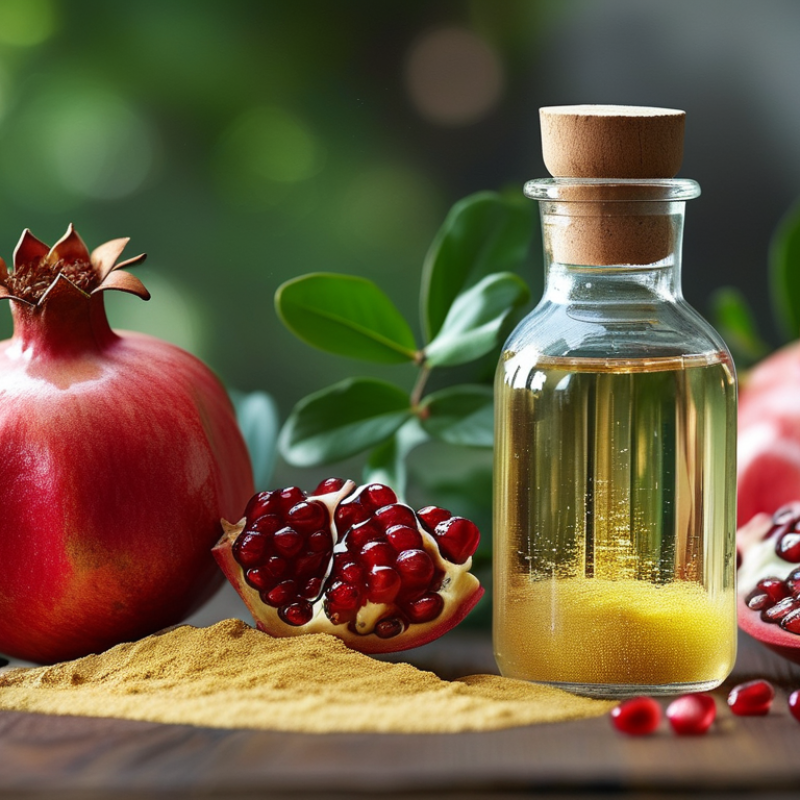
What is Urolithin A and How is it Produced in the Body?
Urolithin A is a metabolite produced when gut bacteria transform ellagitannins found in foods like pomegranates and walnuts. Upon ingestion, ellagitannins break down into urolithin A, highlighting the importance of a healthy gut microbiome. Studies suggest that individuals with a diverse and balanced gut flora are more likely to produce urolithin A effectively. This process can vary significantly among individuals due to differences in gut microbiota composition.
Research indicates that urolithin A may contribute to several health benefits. It has been linked to enhanced mitochondrial function, promoting cellular energy production. A study published in Nature demonstrated that urolithin A improved muscle endurance in elderly mice, raising interest in its potential for age-related muscle decline in humans. Furthermore, urolithin A shows promise as an anti-inflammatory agent, which could impact chronic diseases linked to inflammation.
Current estimates suggest that only about 25% of the population can efficiently produce urolithin A from their diet. This variability raises important questions about personalized nutrition and supplementation. More detailed studies are required to fully understand how dietary habits and gut microbiome health influence urolithin A production and its associated benefits. The complexities of this interplay reflect the need for a nuanced approach to health and wellness.
The Role of Gut Microbiome in Urolithin A Bioavailability
Urolithin A is a compound produced by gut bacteria when we consume certain plant foods. Its potential health benefits include improved muscle function and anti-aging effects. However, not everyone can produce Urolithin A effectively. The gut microbiome plays a crucial role in its bioavailability, influencing how well this compound is absorbed.
Diversity in the gut microbiome is essential for optimal Urolithin A production. A healthy microbiome typically has various bacterial species that aid in conversion. Diets rich in polyphenols, found in berries and nuts, can promote beneficial bacteria growth. This can enhance Urolithin A levels in the body.
To support your gut health, consider dietary adjustments. Incorporate fermented foods like yogurt and kefir into your meals. Also, a diet high in fiber contributes to a flourishing microbiome. Regular intake of prebiotic foods, such as onions and garlic, may further enhance Urolithin A production. Focus on personalized nutrition, as everyone's microbiome is unique and may respond differently.
Health Benefits of Urolithin A: Effects on Muscle Health and Aging
Urolithin A is gaining attention for its potential health benefits, especially regarding muscle health and aging. This compound is produced in the gut after consuming certain foods, primarily pomegranates and some berries. It has shown promise in improving muscle strength and endurance. Some studies suggest that it may enhance mitochondrial function. Strong mitochondria can lead to improved energy production in muscle cells.
Aging often brings muscle decline and reduced physical capability. Urolithin A might counteract some of these effects. It is believed to activate autophagy, a process that cleans out damaged cells. This process is crucial for maintaining healthy muscles as we age. Individuals concerned about muscle loss might find Urolithin A beneficial.
However, research is still in its early stages. Some findings are promising, yet more extensive human studies are needed. The science surrounding Urolithin A is evolving. While its potential is fascinating, anyone considering its use should reflect on the existing evidence. It’s essential to approach wellness strategies with a critical mindset.
Research Studies on Urolithin A: Key Findings and Future Directions
Recent research has highlighted the potential of Urolithin A, a compound derived from pomegranates and other fruits. Studies indicate that Urolithin A may play a role in enhancing cellular health, particularly through its effects on mitochondrial function. This compound is believed to promote the process of mitophagy, which helps remove damaged mitochondria. In particular, researchers observed that Urolithin A might improve muscle function and overall energy levels in older adults.
Another interesting aspect of Urolithin A is its anti-inflammatory properties. Research suggests it could help reduce oxidative stress in the body. Some scientists are investigating its implications for age-related diseases. Initial studies on animal models show promise, but human trials are still limited. The complexity of human health introduces variables that need thorough examination.
As investigations continue, the long-term benefits and potential side effects of Urolithin A require careful observation. Understanding the right dosage and efficacy in diverse populations is crucial. The ongoing studies are paving the way for clearer insights. However, more rigorous research is needed to establish conclusive health claims and guidelines for Urolithin A consumption.
Safety and Potential Side Effects of Urolithin A Supplementation
Urolithin A, a compound derived from pomegranate, has gained attention for its potential health benefits. However, the safety of supplementation is crucial to consider. Research indicates that Urolithin A is generally safe when taken at recommended doses. A study published in the Journal of Clinical Medicine found no serious adverse effects at doses up to 500 mg. The body tolerates it well, with most users reporting minor gastrointestinal disturbances.
Despite its safety profile, some individuals may experience side effects, such as stomach upset or mild headaches. It's essential to consult with a healthcare professional before starting supplementation, especially for those with specific medical conditions or on medications. Regular monitoring of health parameters can help individuals assess their response to Urolithin A.
Incorporating Urolithin A into a balanced diet may offer benefits, but listening to your body remains crucial. Start with lower doses to gauge your reaction. Observing any changes in energy levels or digestion can provide insights. Always prioritize a holistic approach to health, considering all dietary and lifestyle factors that interact with supplements. Being cautious is wise; no supplement replaces a healthy diet and lifestyle.
What is Urolithin A Powder and Its Health Benefits? - Safety and Potential Side Effects of Urolithin A Supplementation
| Health Benefit | Description | Safety | Potential Side Effects |
| Mitochondrial Health | Supports the function and efficiency of mitochondria, leading to increased energy production. | Generally regarded as safe when taken in recommended doses. | Mild gastrointestinal discomfort in some users. |
| Anti-inflammatory Properties | May reduce inflammation in the body, potentially benefiting conditions like arthritis. | Considered safe; however, individual responses may vary. | Possible allergic reactions or sensitivity in some individuals. |
| Cognitive Function | May enhance brain health and improve cognitive function. | Generally safe; recommended to consult with a healthcare provider. | Few reports of headaches among some users. |
| Exercise Performance | May improve endurance and recovery in athletes. | Safe for most people, especially when following dosage guidelines. | Occasional reports of muscle cramps. |
| Antioxidant Effects | Helps combat oxidative stress, supporting overall health. | Considered safe when used appropriately. | Rare occurrences of digestive issues. |