2025 How to Use Clear Plastic Sheeting Effectively for Your Projects
Clear plastic sheeting is an incredibly versatile material that has found applications across various industries, from agriculture to construction. According to a report by Grand View Research, the global plastic sheeting market is expected to reach USD 5.2 billion by 2025, driven by the increasing demand for innovative solutions that enhance efficiency and safety in projects. This surge in popularity highlights the indispensable role that clear plastic sheeting plays in both residential and commercial settings.
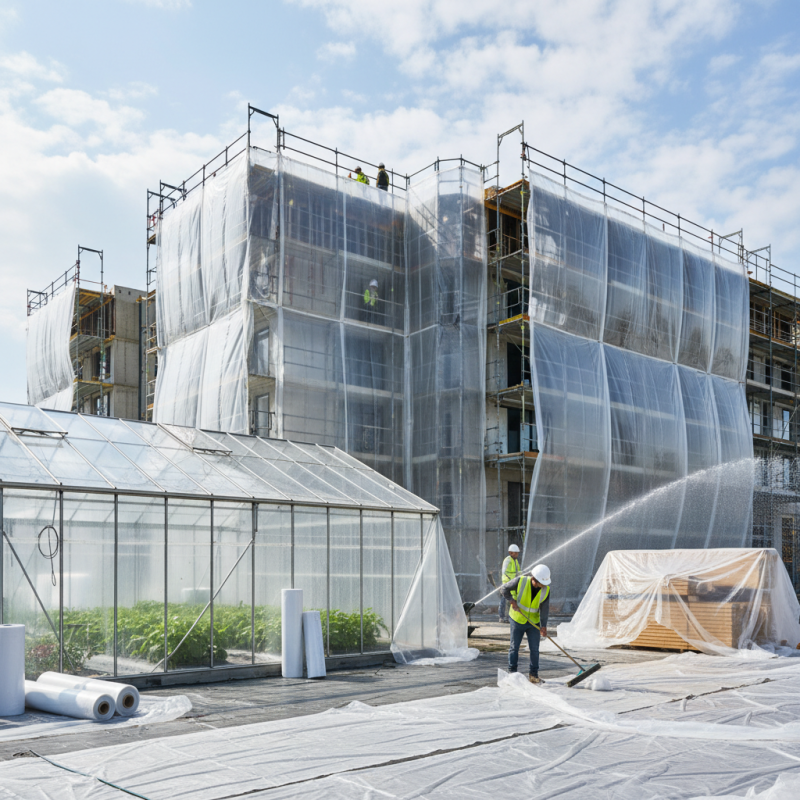
When used effectively, clear plastic sheeting offers a range of benefits, including moisture control, thermal insulation, and protection against harmful outdoor elements. For instance, in agricultural settings, it is commonly used for greenhouse construction to create optimal growing conditions for plants. In construction, it serves as a temporary barrier to protect workers and materials from adverse weather conditions. Recent studies indicate that projects using clear plastic sheeting can achieve significant time and cost savings, making it an essential tool for project managers and DIY enthusiasts alike.
Understanding how to leverage clear plastic sheeting can dramatically enhance the outcome of a project. Whether it's improving energy efficiency, safeguarding materials, or facilitating easier cleanup, clear plastic sheeting is a practical solution that aligns with the industry's evolving needs. Therefore, mastering its application can not only contribute to better project outcomes but also align with sustainability goals, positioning it as a crucial component in the toolkit of modern builders and planners.
Understanding Clear Plastic Sheeting: Types and Benefits
Clear plastic sheeting is a versatile material widely used in various projects, due to its numerous types and benefits. Primarily, it serves as a protective cover against dust, moisture, and temperature fluctuations. Different gauges and thicknesses allow users to choose the appropriate sheeting for their specific needs, whether for gardening, construction, or crafting. The clarity of the plastic also provides visibility, making it ideal for greenhouse covers or temporary enclosures where light exposure is crucial.
When working with clear plastic sheeting, it’s essential to consider the environment and purpose of use. For projects requiring durability, opt for thicker sheeting, which can withstand harsher conditions and provide a long-lasting solution. Conversely, lighter sheeting may be suitable for temporary uses, such as seasonal gardening.
**Tips:** To maximize the effectiveness of clear plastic sheeting, ensure proper sealing at the edges to prevent air and moisture leaks. Using weighted edges can help keep the sheeting in place, especially in windy conditions. Lastly, regularly check for any tears or wear to maintain integrity and functionality throughout the project.
Effectiveness of Different Types of Clear Plastic Sheeting in Various Projects
Preparing Your Workspace for Clear Plastic Sheeting Applications
Preparing your workspace for clear plastic sheeting applications requires thoughtful planning to maximize functionality and safety. Clear plastic sheeting is widely used in construction, agriculture, and DIY projects due to its versatility and transparency. According to a report by MarketsandMarkets, the global plastic sheeting market is projected to reach USD 8.24 billion by 2025, illustrating the growing demand for effective applications in diverse fields. Ensuring that your workspace is adequately prepared can enhance the efficacy of the plastic sheeting while safeguarding your project outcomes.
When setting up your workspace, consider the environment where you will be using the plastic sheeting. Make sure the area is well-ventilated and free of debris to prevent contamination and ensure safety. Lay down drop cloths or other protective materials to keep the underlying surfaces clean from spills or damage. Lighting also plays a pivotal role; good illumination will assist in accurately measuring and cutting the plastic sheeting, which is critical for achieving a precise fit.
Tips: Use heavy-duty tape to secure edges, as it helps create a seal against dust and moisture. Also, keep a utility knife handy for effortless cutting, ensuring the blade is sharp for clean lines. Finally, always wear appropriate personal protective equipment, such as gloves and masks, especially if the plastic is to be used in environments with potential irritants. Proper preparation not only improves the application process but also enhances safety protocols throughout your project.
2025 How to Use Clear Plastic Sheeting Effectively for Your Projects
| Project Type |
Recommended Thickness (mil) |
Best Applications |
Durability |
| Greenhouse Covering |
6-10 |
UV protection, moisture control |
3-5 years |
| Construction Barrier |
4-6 |
Dust control, weather protection |
2-4 years |
| Indoor Project Drop Cloth |
2-4 |
Paint protection, surface cover |
1-3 years |
| Winterizing Windows |
4-6 |
Insulation, draft control |
1 season |
| Surgery or Medical Facility |
10-20 |
Hygiene, contamination control |
Durable (long-term use) |
Effective Techniques for Installing Clear Plastic Sheeting
When it comes to utilizing clear plastic sheeting for various projects, effective installation techniques play a crucial role in maximizing its benefits. To begin with, it’s essential to ensure the surface where the plastic will be applied is clean and free from dust or debris. This not only promotes better adhesion but also enhances the lifespan of the installation. Using a level to mark the boundaries can help achieve an even application. It's advisable to cut the sheeting slightly larger than the intended area to allow for adjustments and effective sealing.
Proper sealing is another vital aspect to consider. After positioning the plastic sheeting, using a strong adhesive tape or a staple gun around the edges will help secure it in place. If the project involves outdoor applications, consider employing weighted options at the base to prevent the sheeting from blowing away in windy conditions. For projects requiring transparency, such as greenhouses or pet enclosures, be mindful of reducing wrinkles during application, as this not only affects visual clarity but can also impact the structural integrity of the sheeting. Taking time to ensure a meticulous installation process will ultimately yield the best results for your project.
Maintenance and Care Tips for Longevity of Plastic Sheeting
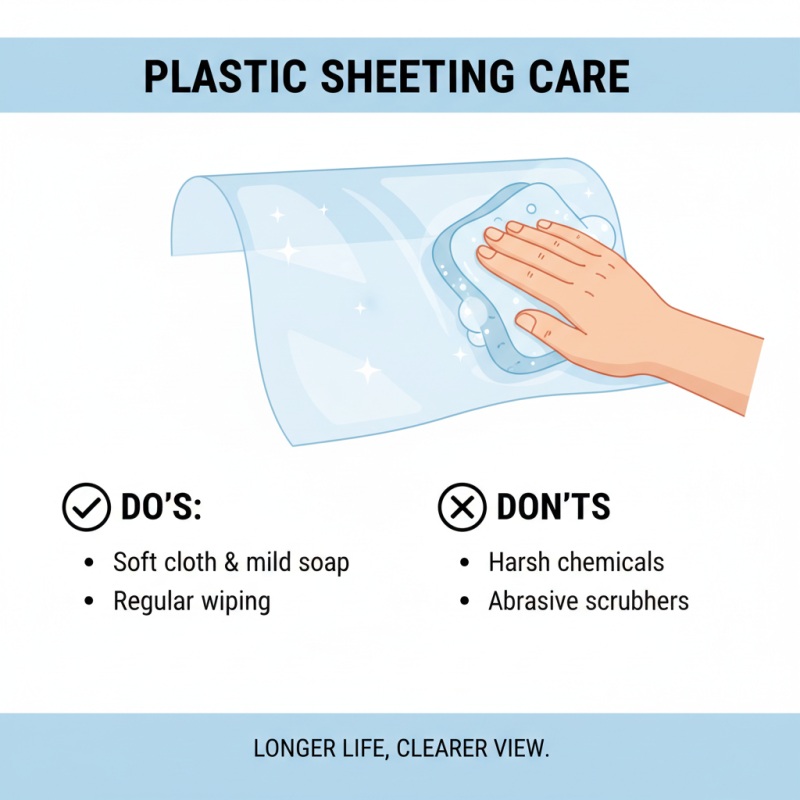
Maintaining clear plastic sheeting properly can significantly enhance its lifespan and performance. One of the key aspects of care is cleanliness. Regularly wipe down the surface with a soft cloth and a mild soap solution to remove dirt, dust, and grime. This not only preserves the clarity of the plastic but also prevents premature wear and tear caused by abrasive particles. Avoid using harsh chemicals or scrubbers, as these can scratch or degrade the plastic material.
Another important factor in prolonging the life of plastic sheeting is proper storage when it’s not in use. Roll the sheets instead of folding them to prevent creases and potential stress points that can lead to cracking. Additionally, keep the stored sheeting away from direct sunlight and extreme temperatures, as UV exposure can cause yellowing and brittleness over time. By following these maintenance and care tips, you can ensure that your clear plastic sheeting remains a reliable asset for all your projects for years to come.
Creative Uses of Clear Plastic Sheeting in Home Projects
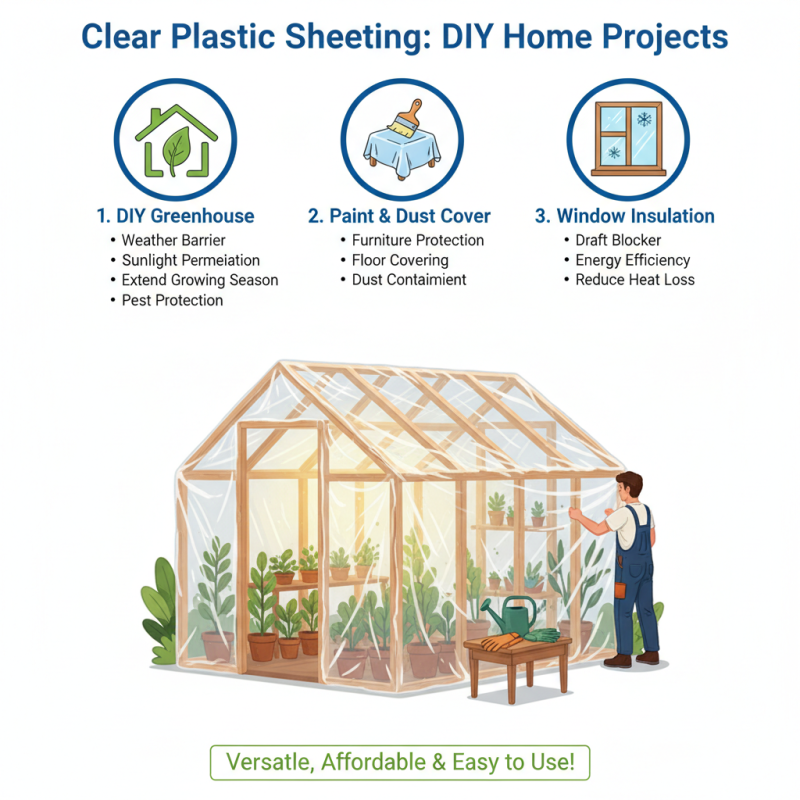
Clear plastic sheeting is an incredibly versatile material that can be creatively utilized in various home projects. One of the most popular applications is for DIY greenhouses, where clear plastic acts as a barrier against harsh weather while allowing sunlight to penetrate. Homeowners can create a simple frame from wood or PVC pipes and wrap it with clear plastic sheeting to create an effective greenhouse. This not only extends the growing season for plants but also protects them from pests.
Another innovative use for clear plastic sheeting is in interior home improvement projects, such as creating temporary walls or partitions. This can be particularly useful during renovations or when you need to isolate a space for a specific purpose. By using plastic sheeting, you can keep dust and debris contained, making clean-up easier. Additionally, it can help maintain an area’s warmth during colder months or provide a barrier against moisture in unfinished basements. The transparency of the sheeting also ensures that natural light continues to flow in, creating a more inviting environment.