How to Use Black Plastic Sheeting for Your Gardening Needs?
When it comes to gardening techniques, black plastic sheeting is often a game-changer. Jamie Walters, a leading horticultural expert, once stated, “Using black plastic sheeting can transform the way you manage weeds and heat in your garden.” This powerful tool has various applications, from controlling weeds to enhancing soil temperature.
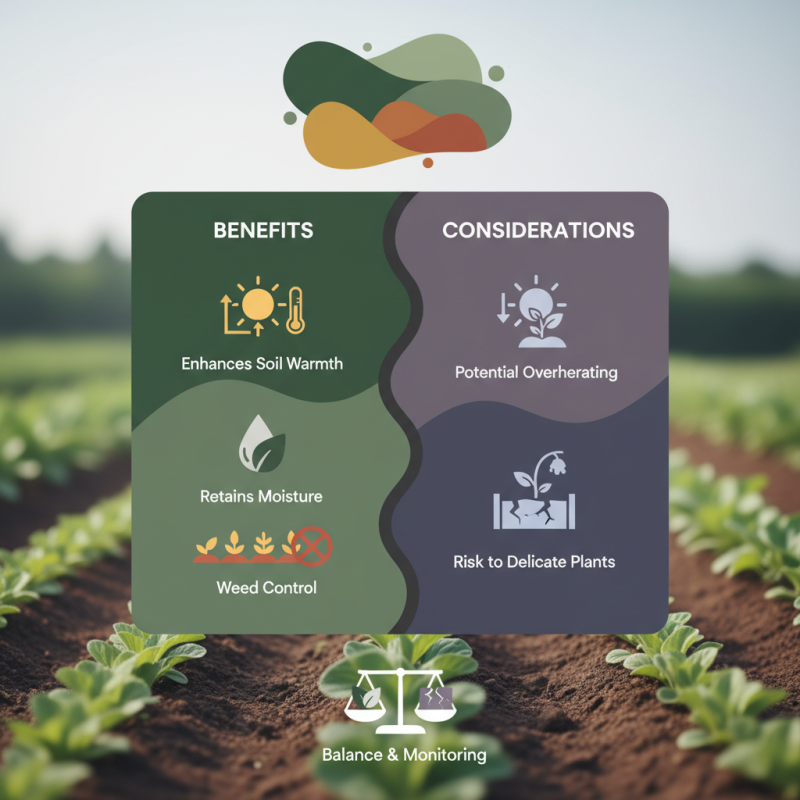
Black plastic sheeting can create a microclimate around plants. It traps heat and moisture, which can boost growth. However, it is essential to consider your local climate when using it. Overheating can lead to plant stress, so monitoring is vital.
Though it has many benefits, the method requires some reflection. Inappropriate use of black plastic sheeting could harm delicate plants. Understanding its duality is important for any gardener. Achieving the best results means balancing its advantages with potential downsides.
Understanding Black Plastic Sheeting in Gardening
Black plastic sheeting has gained popularity in gardening due to its various benefits. It is often used as a weed barrier, suppressing unwanted plants effectively. A study found that using black plastic can reduce weed growth by up to 90%. This allows gardeners to focus on their desired crops without constant weeding.
In addition to weed control, black plastic helps in soil temperature regulation. It can warm the soil by several degrees, promoting faster plant growth. For example, Rutgers University showed that black plastic can increase soil temperatures by 2-5°F compared to bare soil. However, it is essential to monitor soil moisture and temperature regularly. Overheating can stress plants and lead to poor yield.
One must also note some potential downsides. Black plastic can limit water infiltration during heavy rains. This could lead to waterlogged soil, negatively affecting root health. Regularly inspecting moisture levels is crucial. Furthermore, it doesn’t decompose easily, posing environmental concerns. Gardeners should weigh these factors carefully before choosing black plastic as their go-to gardening tool.
Impact of Black Plastic Sheeting on Plant Growth
This bar chart illustrates the average growth of various vegetables when using black plastic sheeting in gardening. As shown, tomatoes and peppers exhibit the greatest growth, while lettuce shows the least, indicating varying effects of black plastic sheeting on different plant types.
Benefits of Using Black Plastic Sheeting in Your Garden
Using black plastic sheeting in the garden offers various advantages. One of the major benefits is its ability to suppress weed growth. According to the American Society for Horticultural Science, fields using black plastic mulch can see a 90% reduction in weed populations. This is significant for vegetable gardens, where competition for nutrients can be fierce.
Additionally, black plastic sheeting helps retain soil moisture. A study published in the Journal of Soil and Water Conservation found that soil under black plastic remained 30% wetter than uncovered soil. This is crucial in dry seasons or regions with limited rainfall. However, it’s important to monitor soil temperature, as excessive heat can stress plants.
Moreover, black plastic can accelerate the warming of the soil. This can lead to an earlier planting season, benefiting crops that thrive in warmer conditions. But if not managed properly, it might cause overheating, potentially harming seedlings. Finding the right balance is key to maximizing these benefits.
How to Use Black Plastic Sheeting for Your Gardening Needs? - Benefits of Using Black Plastic Sheeting in Your Garden
| Benefit |
Description |
| Weed Control |
Black plastic sheeting prevents sunlight from reaching weed seeds, effectively inhibiting their growth. |
| Soil Temperature Regulation |
It absorbs heat from the sun, warming the soil, which can help extend the growing season. |
| Moisture Retention |
Helps in retaining soil moisture by reducing evaporation, leading to less frequent watering. |
| Pest Deterrent |
The barrier created by the plastic can deter certain pests from accessing the plants. |
| Easy to Install |
Lightweight and flexible, allowing for straightforward installation and adjustments in the garden. |
| Cost-Effective |
Relatively low cost compared to other gardening solutions, providing great value for gardeners. |
Step-by-Step Guide to Installing Black Plastic Sheeting
Installing black plastic sheeting in your garden can significantly enhance plant growth. This simple yet effective technique controls weeds and retains soil moisture efficiently. According to a report by the American Society of Agronomy, using black plastic can increase crop yield by up to 20%.
Begin by measuring the area you want to cover. Cut the sheeting accordingly, ensuring it overlaps slightly at the seams. Lay the plastic down on prepared soil. Make sure it’s flat and firm against the ground. Secure it with soil or landscape staples, especially around the edges. Watch for any air pockets; these can create issues later.
It's crucial to monitor the temperature under the plastic. Black sheeting traps heat, which can benefit some plants but may harm others. A study from the University of California found that excessive heat can hinder seed germination in certain vegetables. Always consider the specific needs of your plants when applying this method. Adjustments may be necessary based on your observations. Operations like these demand patience and reflection on techniques that work or need improvement.
Maintenance Tips for Long-Term Use of Black Plastic Sheeting
Black plastic sheeting is a versatile tool in gardening, primarily used for weed control and soil warmth. However, maintaining it for long-term use requires some care. Industry insights suggest that properly managed sheeting can last for years, reducing the need for frequent replacements. This not only saves costs but also minimizes waste.
To ensure longevity, consider a few maintenance tips. Regularly inspect the sheeting for any tears or holes. Even small damage can lead to reduced effectiveness. If you find any, patch them promptly. This simple action can significantly extend the life of the material. Also, avoid directly contact with sharp tools or heavy machinery, which can cause accidental punctures.
Another crucial aspect is monitoring the weather. Prolonged exposure to UV rays can degrade black plastic. According to studies, sheeting can lose about 20% of its effectiveness after just one year if not protected. Use mulch or additional layers of organic material over the sheeting to shield it from harsh sunlight. This can help preserve its integrity for future seasons.
Lastly, remember to clean the sheeting before storage. Dirt and debris can harbor pests or diseases that might transfer to your garden. A simple wash can prevent these issues and promote your gardening success. Balancing these maintenance practices with the initial investment of the sheeting will prove beneficial in the long run.