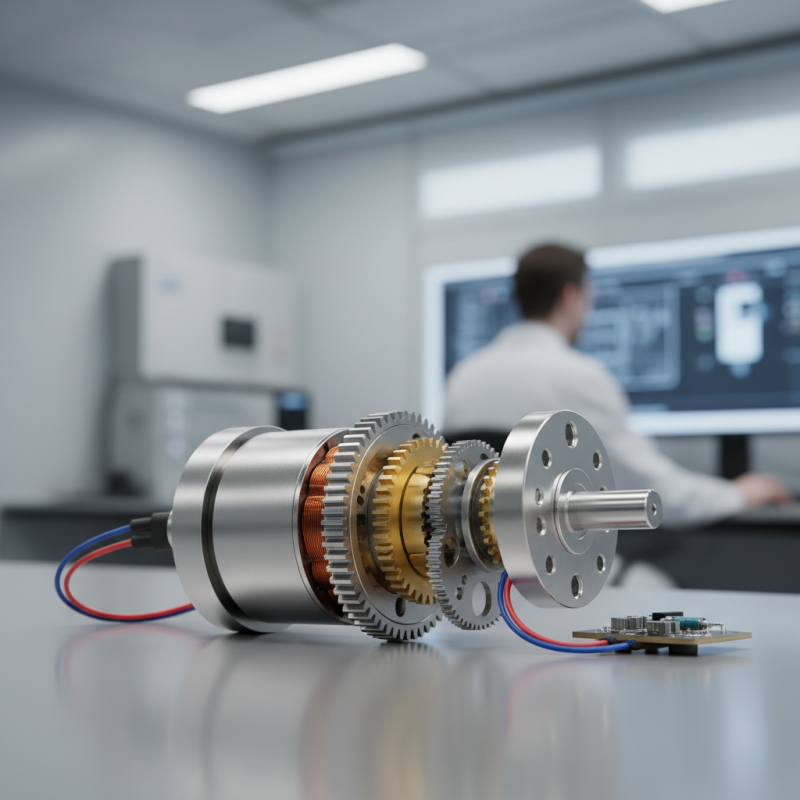
What is a Valve DC Gear Motor and How Does It Work?
In the world of automation and robotics, the Valve DC Gear Motor plays a crucial role. John Smith, a leading expert in motor technologies, once said, "The efficiency of a Valve DC Gear Motor can transform industrial processes." This highlights its significance.
A Valve DC Gear Motor combines a direct current (DC) motor with a gear system. The gears reduce the motor's speed while increasing its torque. This combination is pivotal for precise control in various applications, from robotics to automotive systems. However, understanding its operation can be quite intricate.
The design often leads to questions regarding efficiency and application. Some users face challenges in selecting the right gear ratio. Others struggle with power consumption versus performance. Reflecting on these concerns reveals the complexity behind this seemingly simple device. The Valve DC Gear Motor is not just about power; it’s about balance and precision in engineering.
What is a Valve DC Gear Motor?
A Valve DC Gear Motor is a compact device that combines a direct current motor with a gear system. This combination allows for higher torque and controlled movement. It is often used in applications like robotics, automation, and valves in industrial settings. The motor converts electrical energy into mechanical energy, driving the gear system. This results in precise control over the valve’s position and speed.
The gear mechanism reduces the speed while increasing the torque, making it ideal for high-resistance jobs. A typical design includes a motor, gears, and an output shaft. These components work together to ensure reliability and efficiency. However, the integration can sometimes lead to complexity. Users may encounter issues if not properly calibrated. This highlights the importance of following installation guidelines closely to avoid unnecessary complications.
Overall, Valve DC Gear Motors offer significant benefits in various applications. Their ability to provide controlled motion is valuable. However, users must remain aware of potential challenges. Fine-tuning is often required, which can be a trial-and-error process. It’s essential to learn from mistakes and continuously improve.
Key Components of a Valve DC Gear Motor
A Valve DC Gear Motor operates using a direct current (DC) power source. The key components of this motor are the DC motor, gear assembly, and valve actuator. Each part plays a vital role in the motor’s functionality. The DC motor provides rotational movement. It harnesses the power from the battery effectively.
The gear assembly reduces the motor's speed while increasing torque. This feature is essential for controlling valve mechanisms in various industries. Reports indicate that gear motors can achieve torque levels up to 150% of their rated values under certain conditions. However, designing an effective gear ratio can be challenging. It requires a precise balance between speed and torque for optimal performance.
The valve actuator is the final element, converting rotational motion into linear movement to operate the valve. Actuators can face issues like wear and tear over time. Factors like temperature fluctuations and operational loads impact their lifespan. Studies suggest that regular maintenance could mitigate some issues but can be overlooked often due to budget constraints. Understanding these components helps in selecting the right motor for specific applications.
What is a Valve DC Gear Motor and How Does It Work? - Key Components of a Valve DC Gear Motor
| Component | Description | Function |
| DC Motor | An electric motor that runs on direct current. | Converts electrical energy into mechanical energy. |
| Gearbox | A mechanical assembly that uses gears to reduce speed and increase torque. | Modifies the output speed and torque of the motor. |
| Valve | A device that controls the flow of fluids or gas in a system. | Regulates flow and pressure of materials in pipelines. |
| Control Circuitry | Electronic components that control the operation of the motor. | Provides signals to start, stop or adjust the motor's speed. |
| Power Supply | Source of electrical energy required for the motor operation. | Supplies the necessary current and voltage to the motor. |
How the Valve DC Gear Motor Works: A Step-by-Step Process
A Valve DC Gear Motor is a small yet powerful component. Its primary function is to control the flow of fluids or gases. Understanding how it works involves several key steps.
The process starts with the DC motor, which converts electrical energy into mechanical energy. This motor spins when electricity is applied. Next, a gear system is attached. It reduces the motor's speed while increasing torque. This allows for better control over the valve. The gear ratio is vital here; it determines how effectively the motor can operate under different demands.
Once the motor spins, it engages with the valve. This interaction creates movement. The valve opens or closes based on the direction the motor turns. Sometimes, the connection is not precise. Misalignment or wear may cause issues. Regular maintenance is important to avoid these problems. Users should inspect the system often to ensure reliability. Maintaining a keen eye on performance can save trouble later.
Applications of Valve DC Gear Motors in Various Industries
Valve DC gear motors are widely used in many industries due to their efficiency and precise control. These motors combine the benefits of DC motors with gear mechanisms. This combination allows for high torque and reduced speed, making them ideal for various applications.
In the automotive industry, valve DC gear motors are often used in power windows and seat adjustments. They provide reliable movement and can easily withstand daily use. In the food processing sector, these motors help control valves for fluid flow in machinery. Accurate flow control is crucial here, as it ensures product quality and prevents waste.
Additionally, valves in water treatment facilities often rely on DC gear motors. They automate the opening and closing of valves, improving efficiency and reducing human error. However, relying solely on these motors can be a mistake. Regular maintenance is essential to avoid breakdowns. Ignoring this can lead to costly repairs and interruptions in critical processes.
Applications of Valve DC Gear Motors in Various Industries
Advantages of Using Valve DC Gear Motors Over Other Types
Valve DC gear motors are versatile devices used in various applications. They combine a direct current (DC) motor with a gear system to provide increased torque. This unique combination offers several advantages over other motor types.
One key advantage is efficiency. Valve DC gear motors use less energy while delivering high performance. Their compact design makes them ideal for tight spaces. They can be easily integrated into existing systems. This efficiency can lead to reduced operational costs in the long run.
Tips: When selecting a valve DC gear motor, consider the load requirements. Match the torque and speed to your project's needs. Over-specifying can lead to unnecessary costs and inefficiencies.
Another benefit is their ability to maintain consistent speed. Unlike other motors, they adapt better to changes in load. This feature ensures smoother operation. They are particularly suitable for applications requiring precise control.
Tips: Regular maintenance is crucial for longevity. Check for wear in gears and connections. This simple step can prevent unexpected failures and extend the motor's life.