What Is Plastic Roll Used For?
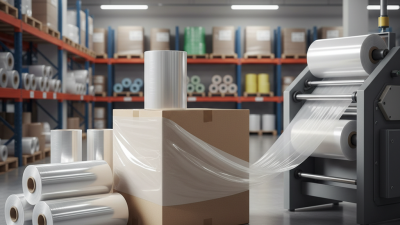
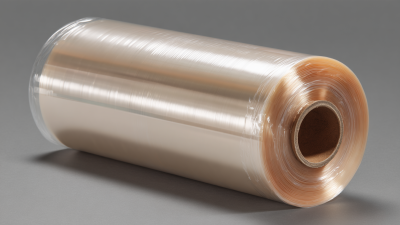
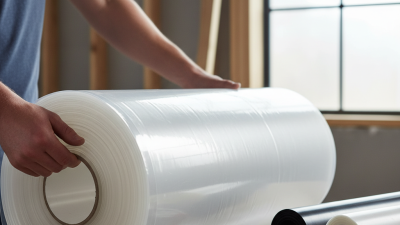
What is plastic roll used for? The answer reaches far beyond wrapping boxes. A plastic roll is a continuous sheet of polymer film, wound around a core for storage, transport, and controlled dispensing. Manufacturers convert it into stretch wrap, shrink film, liner bags, protective covers, agricultural film, and flexible packaging. Some rolls are transparent and cling tightly. Others include printed layers, puncture resistance, or oxygen barriers.
According to PlasticsEurope’s Plastics—The Fast Facts 2023, global plastics production reached approximately 400.3 million tonnes in 2022. Packaging remains a major application. The OECD Global Plastics Outlook states that packaging created about 40% of global plastic waste in 2019. These figures explain why plastic roll is common in warehouses, supermarkets, farms, and factories. A pallet may need a few tight layers to resist rain and dust. A food pouch may require a thin barrier film to protect aroma and freshness. Greenhouses use film to manage light, heat, and moisture.
The material choice matters. Polyethylene is widely used for stretch and agricultural films. Polypropylene can provide strength and clarity. Multilayer films may perform better, but they can be harder to recycle. That trade-off deserves attention. A cheaper roll may tear, waste products, and increase labor. A thicker roll is not automatically better.
In practical use, buyers should check thickness, tensile strength, sealing temperature, barrier performance, and end-of-life options. The right specification depends on the product, equipment, climate, and handling risks. Plastic roll is useful. Its environmental impact is not simple.
Definition and Main Types of Plastic Roll
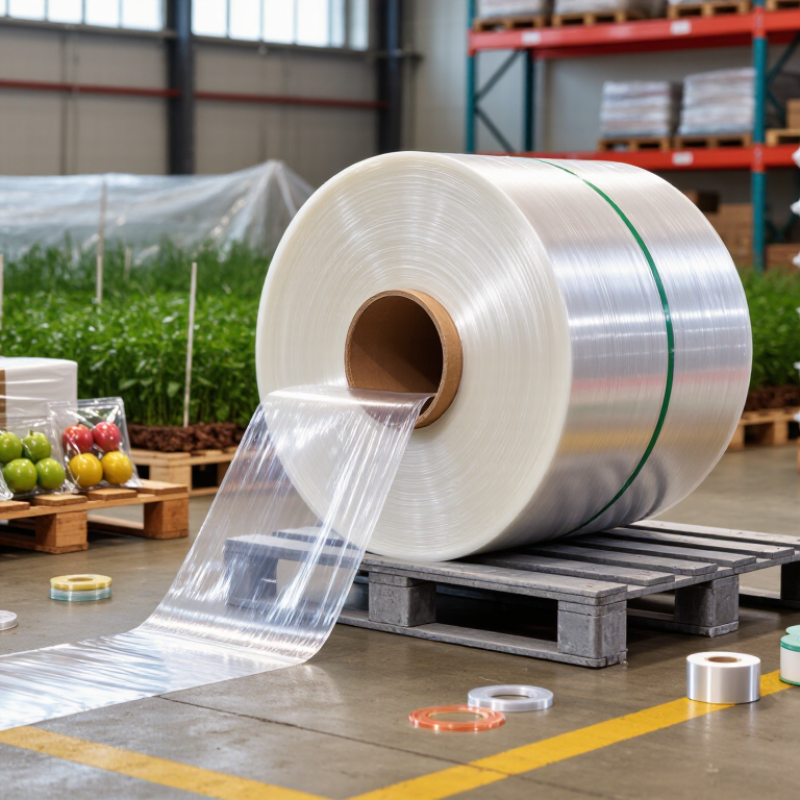
Plastic roll is a continuous, flexible sheet wound around a cardboard or plastic core. It may be clear, colored, coated, reinforced, or laminated. Common materials include polyethylene, polypropylene, polyvinyl chloride, and polyester. Each material changes the roll’s strength, clarity, heat resistance, and barrier performance.
The main types serve different working conditions. Stretch film holds cartons on pallets by wrapping tightly around them. Shrink film contracts under controlled heat, creating a close protective layer. Polyethylene film is widely used for bags, liners, agricultural covers, and construction membranes.
Polypropylene film offers strong clarity and stiffness for food packaging and labels. Laminated film combines several layers, such as a sealable inner layer and an oxygen barrier. The boundary is not always neat. Some rolls use multiple polymers, which can complicate recycling.
Plastic roll also supports silage protection, greenhouse covering, surface protection, and controlled packaging operations. A 2024 Smithers market study forecasts continued growth in global flexible packaging through 2028, driven partly by lightweight film formats. Grand View Research valued the global plastic films market at about 77 billion U.S. dollars in 2023.
These figures show scale, not automatic sustainability. According to the OECD’s Global Plastics Outlook, only a limited share of global plastic waste was recycled in 2019. Film thickness, additives, printing, and contamination can affect recovery.
A thinner roll may reduce material use, yet it can tear sooner. Practical testing still matters.
How to Choose and Use the Right Plastic Roll
What Is Plastic Roll Used For?
Plastic roll is used for wrapping, protecting, separating, and covering products. Common applications include pallet wrapping, surface protection, moisture control, food packaging, and temporary dust barriers. The right roll depends on the job, not simply its lowest price.
Choose the material first. Polyethylene film suits general wrapping and moisture resistance. A thicker film handles sharp edges better, while stretch film needs elasticity and recovery. Measure the product’s width, weight, and corners before ordering. A roll that feels strong can still split around a rough pallet. I have seen this happen during routine warehouse handling.
Check thickness in microns, not appearance. Confirm whether the film needs transparency, UV resistance, anti-static performance, or heat resistance. The OECD Global Plastics Outlook reports that 353 million tonnes of plastic waste were generated in 2019, while only 9% was recycled. This makes efficient sizing and responsible disposal important. Using too much film is wasteful. Using too little can damage goods.
Tips: Test a small section first. Pull the film evenly. Keep rolls dry and away from direct heat. Record the chosen thickness and wrapping method for repeat jobs. Reconsider the choice after a failure; the first solution is not always the best one. Ask suppliers for technical data, safety information, and recycling guidance before regular use.
What Is Plastic Roll Used For? How to Choose and Use the Right Plastic Roll
Plastic rolls are used for packaging, protection, moisture control, construction, and material handling. Film thickness is a practical starting point when selecting a roll: thinner films suit light wrapping, while thicker films provide greater puncture and moisture resistance.
How to use this chart: Choose a film based on the required protection level, flexibility, clarity, stretch, and resistance to punctures or moisture. The values shown are representative thicknesses commonly used for each application.