Wholesale Rock Drill Feed Manufacturers for Global Buyers?
In the competitive landscape of the construction and mining industries, the role of Wholesale Rock Drill Feed Manufacture stands out. Experts emphasize the importance of sourcing high-quality equipment. For instance, John Smith, a renowned expert in the field, once stated, "Quality in rock drill feed manufacture directly impacts operational efficiency." This highlights the profound influence that reliable supply chains have on productivity.
Wholesale rock drill feed manufacture is not just about quantity; it’s about the quality of the manufactured products. Buyers around the globe seek suppliers that can deliver consistent performance and durability. Yet, achieving this isn’t always straightforward. Factors like sourcing raw materials and technological advancements can affect the final product. It’s essential for manufacturers to continually evaluate and improve their processes.
As the demand for rock drill feeds increases, so do the challenges. Manufacturers must navigate varying regulations and market expectations. This often leads to complexities in production. Balancing cost-efficiency with product quality can be a rigorous task. Continuous dialogue among industry stakeholders will be vital for overcoming these challenges.
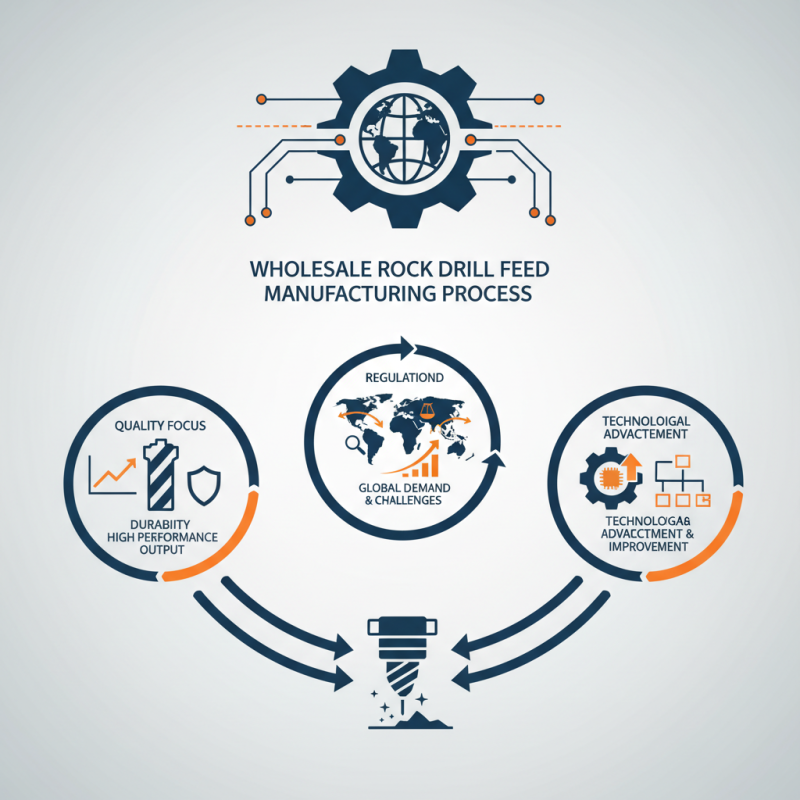
Wholesale Rock Drill Feed: Overview of the Global Market Landscape
The global market for rock drill feeds is evolving rapidly. According to a recent industry report, the demand for rock drilling equipment will grow at a CAGR of 5.2% between 2023 and 2030. This growth is mainly driven by rising construction activities and mining operations worldwide. Emerging markets in Asia and Africa are key players contributing to this expansion. Increased infrastructure investments are a significant factor.
In terms of material usage, high-quality steel remains a primary component. Experts emphasize the significance of durability and efficiency in drill designs. The rise of advanced technologies like automation also influences production trends. However, there are challenges in sourcing quality materials. Suppliers often struggle with variability in raw material quality, which can impact final products.
Sustainability is gaining traction in the industry. Many manufacturers are exploring eco-friendly materials and processes. This shift may influence future market dynamics. Buyers should consider suppliers who prioritize sustainability without compromising quality. The landscape also requires continuous innovation to meet changing demands. Being proactive and adaptable is essential in this competitive market.
Key Players in the Wholesale Rock Drill Feed Manufacturing Industry
The wholesale rock drill feed manufacturing industry plays a pivotal role in the construction and mining sectors. Key players, ranging from small family-owned businesses to large corporations, contribute significantly to this market. According to industry reports, the demand for rock drill feeds is projected to grow at a CAGR of 5.2% over the next five years, driven by increased infrastructure projects globally.
Key manufacturers focus on innovation, quality control, and sustainability. They invest heavily in research and development to improve efficiency and reduce environmental impact. Data indicates that around 40% of manufacturers are now adopting eco-friendly practices, aligning with global trends toward sustainability. However, challenges persist in maintaining consistent quality amidst varying raw material availability.
Tips: When selecting a manufacturer, consider their production capacity and quality certifications. Also, explore their commitment to sustainability. Evaluate their past performance to gauge reliability. Reliability in supply chains is crucial, especially in fluctuating markets. It’s essential to choose partners who can adapt to changing demands while upholding high quality standards.
Market Trends Influencing Wholesale Rock Drill Feed Demand Globally
The global demand for wholesale rock drill feeds is shaped by various market trends. As infrastructure projects expand, the need for efficient drilling solutions increases. Companies seek reliable suppliers capable of meeting growing demands. Those suppliers must balance cost and quality effectively to remain competitive.
Economic factors also play a significant role. In regions experiencing economic growth, construction activities rise. This trend boosts demand for rock drill feeds. Yet, suppliers face challenges like fluctuating raw material costs. Those variables can impact production rates and lead times.
Moreover, technological advancements are transforming the industry. Automation and improved materials enhance product performance. However, embracing new technologies requires investments.
Smaller manufacturers might struggle to keep pace with innovation. They often need guidance in understanding market dynamics and consumer needs. Hence, staying informed and adaptable is crucial for success in this evolving landscape.
Impact of Technological Advances on Rock Drill Feed Production Efficiency
Technological advances have reshaped the rock drill feed production landscape. Automation enhances precision, reducing human error. Innovative materials improve durability and efficiency. These changes not only increase output but also lower costs. Manufacturers are now able to produce at a speed previously thought impossible.
However, the integration of new technologies isn’t without challenges. Training workers on advanced systems takes time and investment. There can be resistance to change from traditional methods. Companies must balance innovation with the experience of their workforce. The drive for efficiency should not compromise safety and quality standards.
As production becomes more streamlined, the environmental impact deserves attention. Sustainable practices in rock drill feed production are critical. The reliance on technology should not overshadow the commitment to responsible manufacturing. The industry is at a crossroads; adapting to new trends is essential yet must be executed thoughtfully.
Impact of Technological Advances on Rock Drill Feed Production Efficiency
The chart below illustrates the increase in production efficiency of rock drill feeds over the past five years, alongside the adoption of advanced technologies.
Regional Analysis of Wholesale Rock Drill Feed Distribution Channels
The wholesale rock drill feed market has a diverse range of distribution channels worldwide. Each region offers unique advantages and challenges. In North America, distribution often relies on established networks that cater to mining and construction industries. Local suppliers frequently link manufacturers to end-users efficiently. However, this reliance can lead to higher costs and limited options for buyers.
In Asia-Pacific, the landscape is rapidly changing. The growth of e-commerce is reshaping how products are distributed. Online platforms are increasingly facilitating access to various manufacturers. This trend benefits buyers by increasing transparency but requires vigilance in verifying supplier credibility.
**Tips:** Always assess the credibility of suppliers. Look for reviews and ratings from previous customers. Establish clear communication to avoid misunderstandings and ensure smoother transactions.
European markets often end up favoring sustainability. There is a growing demand for eco-friendly products in rock drilling equipment. This demand affects distribution methods, pushing suppliers to adapt. However, challenges like regulatory compliance may hinder swift action here. Buyers should be prepared to navigate these complexities.
**Tips:** Research regulations in your target markets. Understanding local requirements will aid in selecting compliant suppliers, which can save you future hurdles.
Wholesale Rock Drill Feed Manufacturers for Global Buyers - Regional Analysis of Wholesale Rock Drill Feed Distribution Channels
| Region | Distribution Channel | Market Share (%) | Growth Rate (2023-2028) (%) |
| North America | Online Sales | 25 | 4.5 |
| Europe | Wholesale Distributors | 30 | 3.8 |
| Asia-Pacific | Retail Outlets | 40 | 5.2 |
| Latin America | Direct Sales | 20 | 3.0 |
| Middle East & Africa | Online Sales | 15 | 2.5 |