Why Is Polypropylene Plastic Used Worldwide?
Why Is Polypropylene Plastic Used Worldwide?
Polypropylene plastic appears in food containers, medical packaging, automotive parts, and woven bags. Its global use is not accidental. Manufacturers value its low density, chemical resistance, and practical processing temperature. A thin polypropylene lid can feel light, yet withstand repeated handling. A molded automotive component can tolerate vibration without adding unnecessary weight.
Polymer expert Dr. John Scheirs has described polypropylene as “a versatile material whose value comes from balancing performance, cost, and processability.” That balance explains much of its worldwide reach. Polypropylene plastic can be injection molded, extruded, thermoformed, or converted into strong fibers. It resists moisture and many common chemicals. It also offers useful fatigue resistance, which helps living hinges survive repeated opening. This is a small detail, but it matters in daily products.
Its story is not perfect. Recycling systems remain uneven, and contaminated packaging can be difficult to recover economically. Material performance alone cannot solve those problems. Product design, collection systems, and responsible manufacturing must work together. Some applications may also need additives, fillers, or multilayer structures, making recovery more complicated. Still, polypropylene plastic remains attractive because it delivers dependable performance with relatively modest material use. Its success comes from practical engineering rather than one spectacular feature. That may sound ordinary. Ordinary, however, is exactly why it is everywhere.
What Is Polypropylene and How Is It Made?
Why Is Polypropylene Plastic Used Worldwide?
What Is Polypropylene and How Is It Made?
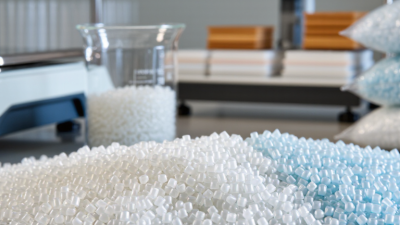
Polypropylene is a thermoplastic made from propylene, a small molecule obtained during fuel refining and natural gas processing. Manufacturers join these molecules through polymerization, using controlled heat, pressure, and catalysts. The result is a tough plastic supplied as small, pale pellets.
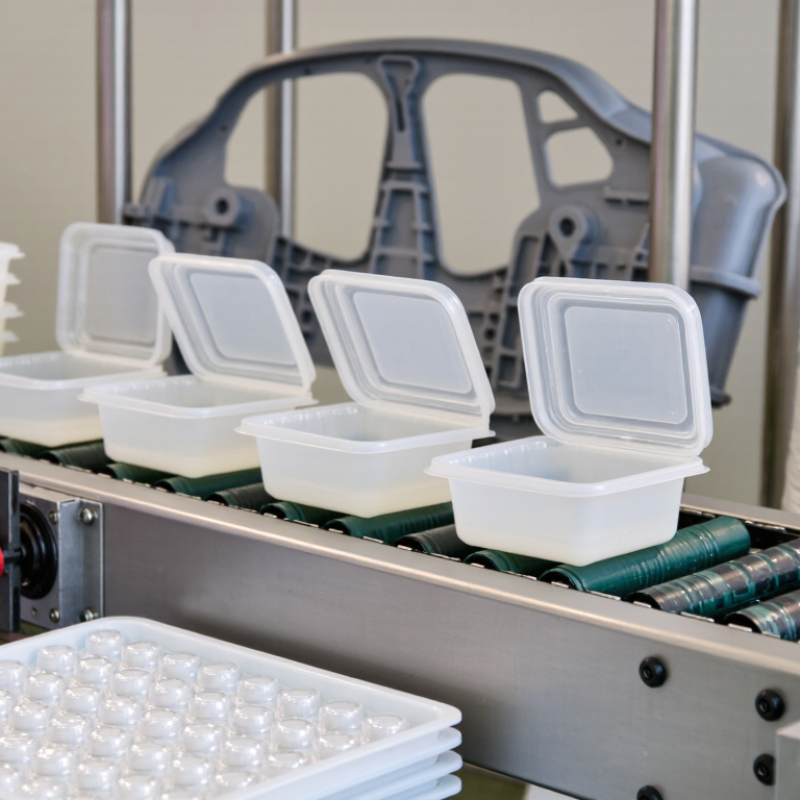
Those pellets are melted and shaped into food containers, medical packaging, bottle caps, woven sacks, and automotive parts. Polypropylene is lightweight, resists moisture, and tolerates many chemicals. It also softens at a useful processing temperature, which helps factories produce thin films and precise components with less energy than some alternatives. I have seen its practical value in simple items, such as hinged lids that survive repeated opening. Small details matter.
The process is efficient, but not flawless. Additives can improve strength, color, or flexibility, yet they may complicate recycling. Polypropylene can be recycled, although collection systems and local equipment vary widely. A clean container in one area may be recyclable, while the same item is rejected elsewhere. That distinction matters.
Tips: Check the resin code before disposal, but follow local recycling instructions. Keep containers clean and dry when required. Avoid assuming every polypropylene item belongs in the recycling bin. Also, remember that durable design often matters more than a plastic label alone.
Which Properties Make Polypropylene Useful?
Polypropylene is used worldwide because its properties fit everyday manufacturing needs. It is lightweight, yet reasonably strong. A storage box made from it is easy to lift, stack, and transport. This lower weight can reduce material use and shipping energy. Polypropylene also resists moisture, many household chemicals, and repeated handling. That makes it suitable for containers, packaging parts, automotive components, and laboratory equipment.
Its flexibility is another practical advantage. A thin polypropylene hinge can open and close many times without breaking quickly. The material also tolerates moderate heat, which supports hot-food containers and sterilizable medical products. Manufacturers can mold it into thin walls, textured surfaces, or precise closures. It usually offers a useful balance between cost and performance. However, it is not perfect. Strong sunlight can weaken some grades, and very cold conditions may make them brittle. Recycling can also be difficult when products contain mixed materials, colors, or labels.
Tips: Check the temperature range before choosing polypropylene. Use reinforced designs for heavy loads. For outdoor products, confirm ultraviolet protection. Do not assume every polypropylene item has the same performance. Test the actual grade and finished shape. Small design details matter.
Where Is Polypropylene Used Around the World?
Polypropylene is used worldwide because it is light, tough, and resistant to moisture. Its low density helps reduce transport weight and material use. In many countries, it appears in food containers, bottle caps, storage boxes, and flexible packaging films. A practical inspection often reveals its small details: snap-fit lids, translucent tubs, and woven sacks for rice or animal feed.
In Europe and North America, polypropylene supports automotive parts, reusable household goods, medical packaging, and building components. Its resistance to many chemicals makes it useful for laboratory containers and industrial pipes. In Asia, Africa, and South America, woven polypropylene bags are common in agriculture and construction. They carry grain, fertilizer, cement, and other dry materials. Thin fibers also form carpets, ropes, hygiene products, and furniture fabrics.
The material is not perfect. It can become brittle under strong sunlight without proper additives. Recycling systems also differ sharply between regions. Some facilities accept rigid polypropylene, while others reject it because sorting is expensive. Heat, contamination, and mixed materials can further reduce recovery quality. Designers must consider local collection systems before choosing it. A container may be technically recyclable yet rarely recycled in practice. That gap deserves more attention.
What Economic Factors Drive Its Global Adoption?
Why Is Polypropylene Plastic Used Worldwide?
Polypropylene is widely used because it delivers practical performance at a relatively low cost. Its low density means manufacturers can produce more containers from the same kilogram of resin. It also resists moisture, many chemicals, and repeated flexing. These features reduce replacement, transport, and packaging expenses.
Cost matters greatly. The OECD’s Global Plastics Outlook reports that global plastics production reached 460 million tonnes in 2019, more than double its 2000 level. Polypropylene benefits from large-scale petrochemical infrastructure and steady access to feedstocks. The International Energy Agency expects petrochemicals to drive over half of oil-demand growth by 2050. That expanding supply base can support competitive resin prices, especially in regions with efficient ports and processing plants. However, cheap production is not the whole story. Energy prices, shipping disruptions, and recycling costs can quickly change the calculation. The model is efficient, but not perfect.
Tips: Compare total cost, not resin price alone. Include transport, molding energy, waste handling, and product lifespan. The OECD also reports that only about 9% of plastic waste was recycled globally in 2019. That figure challenges the assumption that low-cost production automatically creates economic value. Designers should reduce material use and improve sorting compatibility where practical. Small savings can become significant across millions of units.
Why Is Polypropylene Plastic Used Worldwide?
Economic factors behind global adoption
Polypropylene has the lowest typical density among these major commodity plastics. This means less material is needed to produce the same volume of packaging, containers, automotive components, and household products. Lower product weight can reduce raw-material consumption, transportation costs, and handling expenses, helping explain its widespread economic adoption.
Typical density ranges are based on commonly reported engineering material data for commodity polymers. Actual values vary by grade, additives, and processing conditions.
What Are Polypropylene’s Environmental and Recycling Challenges?
Polypropylene is used worldwide because it is light, strong, moisture-resistant, and affordable. It appears in food containers, bottle caps, medical packaging, automotive parts, and woven bags. Its low density reduces transport weight. However, convenience creates a difficult waste stream. Polypropylene products often contain different additives, colors, labels, and food residues. These details complicate sorting and processing.
The OECD’s Global Plastics Outlook (2022) reported that only 9% of global plastic waste was recycled in 2019. Polypropylene is recyclable in principle, but local systems may not accept it. Rigid containers are easier to sort than thin films or mixed-material items. Repeated heating can also reduce material performance, limiting closed-loop recycling. UNEP’s Turning off the Tap report (2023) stresses better product design, reuse, and stronger collection systems. Still, recycling data can be imperfect because countries measure collection and recovery differently. That uncertainty deserves more attention.
Tips: Check the resin code 5, but do not assume acceptance. Rinse containers, remove food residue, and follow local recycling instructions. Keep films separate unless your area specifically collects them. Designing simpler products could help, yet consumers cannot solve an industrial problem alone. Manufacturers, waste operators, and policymakers must share responsibility. Scrap can look recyclable and still be rejected.