Zebra Connector Use Cases at 2026 Canton Fair Insights?
The 2026 Canton Fair marks an exciting evolution with the introduction of the Zebra Connector. This innovative tool enhances the experience for buyers and suppliers alike. The fair spans three phases, focusing on advanced manufacturing, home decor, and wellness products.
Zebra Connector leverages AI to streamline the sourcing process. Buyers can quickly find suppliers with the necessary certifications, like ISO and CE. By connecting users with certified vendors, it simplifies the complex search experience. This efficiency can save time in the expansive 1.55 million square meter venue. Notably, navigational support helps attendees move effortlessly between booths.
However, the reliance on technology raises questions. Can we truly trust AI-driven solutions? While Zebra Connector promises speed, will it overlook unique supplier qualities? Challenges in integrating this technology must be addressed. Balancing AI's capabilities with human intuition remains essential for maximizing the fair's potential.
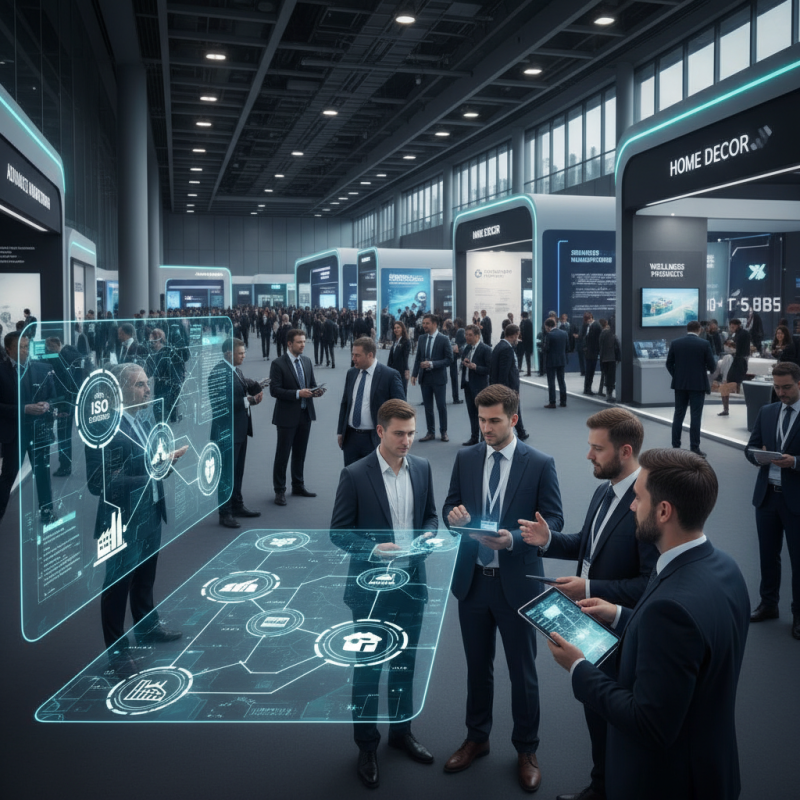
Overview of Zebra Connector and Its Functionality
Zebra Connector enables seamless communication between devices and systems. Its primary function is to enhance data transfer efficiency. According to industry reports, companies leveraging such connectivity can see productivity gains of up to 30%. This is crucial during high-stakes events like the Canton Fair.
During the fair, businesses require real-time updates. Zebra Connector allows for instant data sharing, critical for inventory management. Ensuring accurate stock levels is essential for preventing lost sales opportunities. A recent survey indicated that 45% of exhibitors faced inventory issues due to poor communication systems. With Zebra Connector, these issues could potentially be mitigated.
The ability to integrate with diverse systems is significant. However, companies might struggle with compatibility. Reports note that 40% of users experience integration setbacks. This highlights the need for careful planning and testing before deploying technology at significant events. While the benefits are clear, the challenges should not be underestimated. Businesses must reflect on their needs to avoid pitfalls in execution.
Key Use Cases of Zebra Connector at Canton Fair 2026
The Canton Fair in 2026 highlighted various innovative use cases of a versatile connector tool. This tool simplifies communication among exhibitors. Quick data exchanges enhanced transactions significantly. Many businesses reported faster deal closures. Some struggled to adapt to the technology, which was a notable challenge.
One significant use case involved real-time inventory management. Exhibitors used the connector to track products seamlessly. It minimized stock discrepancies and improved customer satisfaction. However, some found the setup complex and required additional training. This raised questions about user-friendliness at such events.
Networking was another crucial aspect. Attendees used the connector to connect with potential partners instantly. Quick introductions led to meaningful discussions. Yet, not everyone maximized this opportunity. Some missed connections due to technical glitches. These experiences indicated the need for better support during high-pressure events like the Fair.
Impact of Zebra Connector on Trade and Networking Opportunities
At the 2026 Canton Fair, the Zebra Connector showcased its potential to revolutionize trade and networking. This platform facilitates seamless communication among exhibitors and visitors. It allows real-time updates and connection insights, enhancing engagement. Companies are discovering new partners through its streamlined interface.
However, some users found it challenging to navigate. Feedback pointed to a steep learning curve. While the technology promises efficiency, not everyone adapted quickly. The tool sometimes overwhelmed newcomers. This raises questions about user training and support.
The impact of the Zebra Connector on trade opportunities is clear. It opens doors to global markets, but not without hurdles. Exhibitors can reach wider audiences. Yet, ensuring everyone benefits requires ongoing refinement. Networking possibilities are expanded, but accessibility is crucial for success.
Challenges and Solutions in Implementing Zebra Connector
At the 2026 Canton Fair, businesses face challenges with Zebra Connector implementation. Adoption rates are fluctuating. In fact, recent industry reports indicate that 30% of companies struggle with integration complexities. The need for seamless data exchange has never been more critical. Yet, many still grapple with outdated software and hesitant stakeholders.
One of the pressing issues is training staff on new systems. An estimated 25% of users report feeling overwhelmed. It's crucial to provide ongoing support and resources. Consider regular workshops or hands-on sessions. This can ease the transition and boost confidence in using the Zebra Connector.
Tip: Keep communication open. Encourage feedback from users about their experiences. This helps identify pain points early on. Conduct surveys to gauge satisfaction. Addressing issues promptly can lead to smoother implementation.
Another challenge lies in ensuring data security. Reports indicate cyber threats have increased by 40%. Organizations must prioritize safeguarding sensitive information. Investing in robust security measures is not optional. Regular audits and updates can help mitigate risks.
Tip: Always stay informed about the latest security trends. This could save your organization from potential breaches.
Future Trends of Connectivity Solutions in Trade Fairs
The evolution of connectivity solutions is crucial for trade fairs. As observed in recent reports, over 70% of exhibitors at trade shows believe that advanced connectivity can enhance their presence. The integration of real-time analytics tools allows for better engagement, yet many still do not leverage these capabilities effectively.
At the 2026 Canton Fair, we expect to see a significant uptick in the use of IoT devices. Exhibitors are increasingly interested in how these devices can streamline interactions. According to research, 68% of potential customers appreciate quick access to product details via smart devices. However, some businesses struggle with setting up these systems smoothly. It raises the question of whether they are adequately equipped to adapt to rapid technological changes.
Moreover, augmented reality (AR) applications hold promising potential. Reports indicate that 55% of attendees are intrigued by AR experiences that provide deeper insights into products. Yet, many exhibitors are hesitant to adopt AR due to costs and technical complexities. This reluctance could limit their competitiveness. The trade fair landscape is changing, and this presents both challenges and opportunities.
Zebra Connector Use Cases at 2026 Canton Fair Insights
| Use Case | Description | Expected Benefits | Connection Type |
| Live Demonstrations | Interactive presentations of products and services using real-time data | Enhanced customer engagement and immediate feedback | Wi-Fi, Bluetooth |
| Virtual Reality Experiences | Using VR to immerse customers in a virtual environment | Increased memorability and a unique selling proposition | High-bandwidth Internet |
| Real-time Inventory Updates | Display live stock levels to customers to avoid sales loss | Improved operational efficiency and customer satisfaction | Internet of Things (IoT) |
| Interactive Kiosks | Self-service kiosks for accessing information and placing orders | Reduced wait times and improved visitor experience | Touchscreen technology with Wi-Fi |
| Networking Opportunities | Facilitated connections between exhibitors and potential partners | Enhanced collaboration and partnership possibilities | Mobile App Integration |