Discover Exciting Plastic Manufacturing Jobs at Allied Plastics

2026 Top HDPE Plastic Suppliers for Global Buyers

Choosing the right HDPE plastic supplier in 2026 requires more than comparing prices. Global buyers must examine resin quality, production capacity, certifications, delivery performance, and technical support. A low quotation may hide inconsistent melt flow, weak documentation, or costly delays at the port.

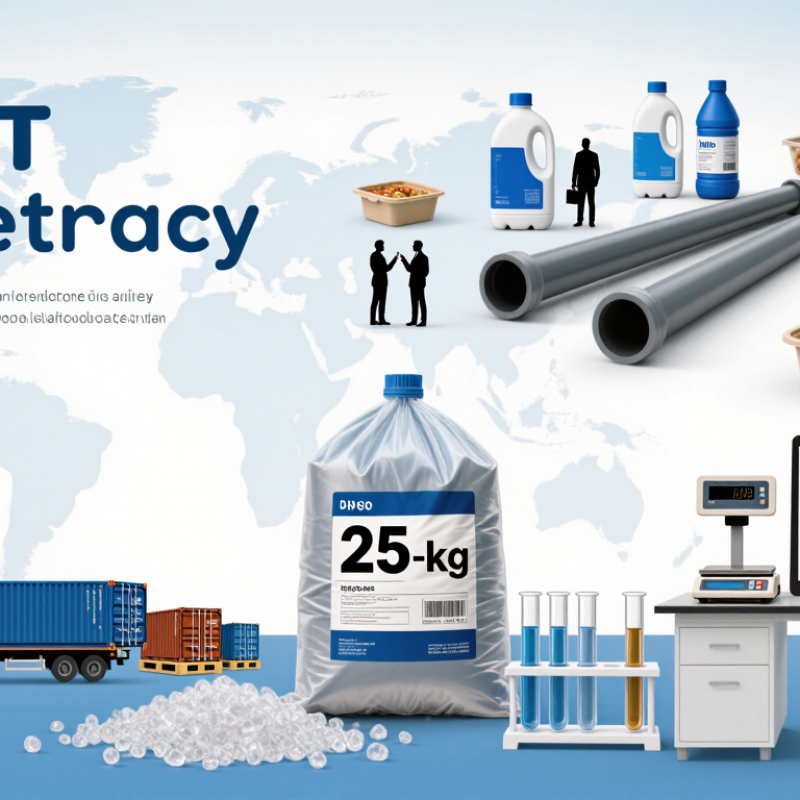
Dr. Ramani Narayan, a respected polymer scientist, offers a useful perspective: “Plastic is not the problem; mismanaged plastic is.” His point matters when evaluating HDPE suppliers. Responsible companies should provide clear material data, traceable production records, and practical guidance for recycling or reuse. Buyers should request certificates of analysis, safety documentation, density figures, melt flow rates, and application-specific test results. Small details matter. A sealed 25-kilogram bag, a readable batch code, and stable pellets can protect an entire production schedule.

This guide reviews leading HDPE plastic suppliers for global buyers in 2026. It considers virgin and recycled grades, packaging materials, pipes, containers, injection molding, and blow molding applications. Supplier reputation is included, but it is not treated as proof by itself. Market rankings can change. Product availability can change faster.

Some manufacturers publish impressive sustainability claims without enough supporting evidence. That deserves caution. Buyers should verify factory information, laboratory reports, export experience, and after-sales responsiveness before placing large orders. Regional requirements also differ, so one supplier may suit a packaging converter but fail a pipe manufacturer’s needs. The strongest choice combines dependable material performance, transparent communication, and realistic logistics. No list is perfect, but careful comparison can reduce avoidable risk.

2026 Top HDPE Plastic Suppliers for Global Buyers

HDPE Plastic: Grades, Properties, and Global Market Applications

2026 Top HDPE Plastic Suppliers for Global Buyers

HDPE Plastic: Grades, Properties, and Global Market Applications

HDPE combines high stiffness, impact resistance, and low moisture absorption. Its density usually ranges from 0.93 to 0.97 g/cm³. It also performs well against many household chemicals. However, it has limited resistance to strong oxidizers and prolonged ultraviolet exposure. Grand View Research estimated the global HDPE market at about USD 79.8 billion in 2023, with continued growth expected through 2030.

Different grades serve different production needs. Blow-molding grades form bottles, jerry cans, and industrial containers. Injection grades suit caps, crates, and rigid components. Film grades create shopping bags, liners, and packaging films. Pipe grades support water systems, gas distribution, and industrial transport. PlasticsEurope reported global plastics production of 413.8 million tonnes in 2023. Packaging remained one of the largest application areas. A familiar grade can still be the wrong choice.

Tips: Check melt flow rate, tensile strength, environmental stress-crack resistance, and operating temperature before purchasing. Ask for recent test reports and batch traceability. For outdoor use, request UV stabilization data. Cost alone is a weak decision tool.

How to Evaluate HDPE Suppliers for International Purchasing

When evaluating HDPE suppliers for international purchasing, begin with technical evidence, not polished websites. Request a current technical data sheet, safety data sheet, certificate of analysis, and sample from the same production lot. Check melt flow rate, density, tensile strength, impact performance, moisture, and color consistency. These figures must match your molding process and end-use requirements.

Ask how the supplier controls raw materials, production records, laboratory testing, and lot traceability. A reliable supplier should explain testing frequency and provide verifiable quality certificates. Visit the facility when possible, or arrange an independent inspection before loading. Factory capacity matters, but process discipline matters more. A large warehouse can still hide inconsistent batches.

International purchasing also requires practical checks. Confirm packaging weight, pallet design, container loading, lead times, export documents, payment terms, and agreed Incoterms. Request references from buyers with similar applications and markets. Compare several trial orders instead of trusting one successful sample. Samples can be selected carefully. That is a weakness.

Review how the supplier handles complaints, delayed shipments, and specification changes. Put tolerances, inspection methods, replacement terms, and communication duties in the purchase contract. Do not rely on verbal promises. I would also compare three consecutive lots before approving regular supply, because stable performance is more valuable than an attractive first quotation. Pricing deserves attention, but unexplained discounts deserve more.

Leading HDPE Plastic Suppliers and Their Product Capabilities in 2026

Leading HDPE Plastic Suppliers and Their Product Capabilities in 2026

HDPE suppliers now serve packaging, water infrastructure, automotive, and industrial markets. Their product capabilities vary by density, melt flow rate, stiffness, impact strength, and processing method. Global plastics production reached about 414 million tonnes in 2023, according to PlasticsEurope’s Plastics—The Fast Facts 2024. HDPE remains important because it combines chemical resistance with relatively low weight.

Leading suppliers typically offer injection molding, blow molding, film, pipe, and rotational molding grades. Strong suppliers provide technical data sheets, lot traceability, and processing guidance. They also support food-contact, potable-water, and recycled-content requirements where applicable. For global buyers, consistent melt flow matters as much as price. A small variation can change bottle weight, film thickness, or pipe performance.

Recycled HDPE is gaining attention. The OECD Global Plastics Outlook reported that only 9% of global plastic waste was recycled in 2019. This figure exposes a clear supply challenge. Suppliers must improve washing, odor control, contaminant screening, and color consistency. PCR grades can perform well, but they are not automatically equal to virgin resin. Testing is essential.

Specifications can look perfect on paper. They still need testing.

Buyers should request samples, certificates, safety documentation, and independent laboratory results before approval. Regional warehousing also reduces delays and protects production schedules. Yet supplier claims deserve careful review. A better purchasing decision combines technical evidence, trial production, and transparent communication about limitations.

Global Compliance, Certifications, and Quality Control Requirements

For global HDPE buyers, compliance starts with traceable evidence, not a polished catalogue. PlasticsEurope reported 413.8 million tonnes of global plastics production in 2023, increasing pressure on suppliers to document material origin and environmental controls. A reliable supplier should provide batch-level certificates of analysis, production dates, lot numbers, and test methods. ISO 9001 supports quality management, while ISO 14001 and ISO 45001 indicate broader environmental and workplace systems. These certifications help, but they do not replace product testing.

A practical audit should compare the technical data sheet with independent laboratory results. Key checks include density, melt flow rate, tensile strength, impact performance, moisture, ash, odor, and pellet contamination. For food-contact applications, buyers should verify applicable requirements, such as EU Regulation 10/2011 or FDA 21 CFR 177.1520. REACH and RoHS documentation may also matter, depending on the destination and end use. ISO/IEC 17025 accreditation strengthens laboratory credibility. Still, accreditation is not proof of every test result.

OECD’s Global Plastics Outlook projects plastic waste could nearly triple by 2060 under current policies. That forecast makes recycled-content claims and chain-of-custody records increasingly important. Ask for recycled-content verification, mass-balance explanations, and corrective-action reports. Not always perfect. A supplier may pass an audit yet miss a labeling error or delayed retest. Buyers should review recent batches, retain samples, and repeat critical tests before long-term contracts. Supplier evaluation needs judgment, not paperwork alone.

2026 Top HDPE Plastic Suppliers for Global Buyers - Global Compliance, Certifications, and Quality Control Requirements
Supplier Profile Typical HDPE Products Common Buyer Markets Core Compliance Requirements Relevant Certifications or Documents Key Quality-Control Tests Typical Technical Data to Request Export Readiness Indicators Buyer Verification Priority
Virgin HDPE Resin Producer Injection-molding, blow-molding, film, pipe, and rotational-molding grades Packaging, consumer goods, industrial containers, construction, and water infrastructure Product safety rules for the destination market; REACH communication where applicable; restrictions on hazardous substances; accurate classification and labeling Technical Data Sheet (TDS), Safety Data Sheet (SDS), Certificate of Analysis (COA), lot traceability record, and ISO 9001 quality certificate Melt Flow Rate (MFR), density, tensile strength, elongation, impact strength, ash content, moisture, contamination, and color MFR test condition, density method, processing guidance, additive package, packaging format, lot number, and shelf-life guidance Batch traceability available Confirm that the supplied grade matches the intended molding process and end-use regulations
Food-Contact HDPE Supplier Natural or colored HDPE for bottles, caps, closures, crates, and food-storage containers Food, beverage, household, and personal-care packaging Applicable food-contact requirements in the importing market; migration limits; declaration of compliance; controls for restricted substances and recycled content claims Food-contact declaration, migration test report, composition statement, COA, SDS, GMP evidence, and ISO 9001 certificate Overall migration, specific migration where relevant, odor and taste, color, MFR, density, and visual contamination Intended food type, contact temperature, contact duration, single-use or repeated-use status, and applicable regulatory references Food-contact documentation supplied Check that the declaration covers the exact grade, additive package, processing conditions, and destination jurisdiction
HDPE Pipe-Grade Supplier PE100 and other pressure-pipe compounds, fittings compounds, and non-pressure pipe grades Potable water, gas distribution, wastewater, mining, irrigation, and industrial piping Applicable pipe-system standards; potable-water approval where required; pressure-rating and long-term performance evidence; production traceability ISO 4427 or applicable national standard evidence, ISO 9001, product approval documents, COA, and third-party test reports where requested MFR, density, carbon black content and dispersion for black compounds, oxidation-induction time, hydrostatic strength, tensile properties, and slow-crack-growth resistance Material designation, SDR compatibility, pressure class, fusion guidance, carbon-black data, long-term strength basis, and batch identification Standard and pressure data documented Verify that test results apply to the exact compound and pipe application rather than to a similar grade
Blow-Molding HDPE Supplier Grades for detergent bottles, chemical containers, jerry cans, drums, and industrial packaging Household chemicals, lubricants, agricultural chemicals, personal care, and logistics packaging Packaging-material regulations; chemical-compatibility requirements; dangerous-goods packaging rules when applicable; correct labeling and closure performance TDS, SDS, COA, UN packaging test evidence when applicable, migration documentation for regulated uses, and ISO 9001 certificate MFR, density, environmental stress-crack resistance, top-load or compression strength, impact resistance, wall-thickness consistency, and visual defects Parison programming guidance, recommended melt temperature, mold-shrinkage data, ESCR rating, container weight range, and closure compatibility Application-specific processing support Request finished-container validation, not only resin test results, for aggressive chemicals or high-drop-risk packaging
Injection-Molding HDPE Supplier Grades for caps, crates, pallets, housewares, toys, and technical molded parts Consumer products, logistics, industrial components, and retail packaging End-use safety rules; substance restrictions; colorant and additive compliance; dimensional and mechanical requirements defined by the buyer TDS, SDS, COA, color masterbatch declaration where relevant, restricted-substance statement, and ISO 9001 documentation MFR, density, tensile strength, flexural modulus, impact strength, shrinkage, warpage, color difference, and contamination level Recommended injection temperature, mold temperature, drying requirements if any, shrinkage range, cycle guidance, and regrind limits Process parameters provided Validate dimensional stability and mechanical performance using production-equivalent molds and cycle conditions
Recycled HDPE Compound Supplier Post-consumer or post-industrial recycled HDPE pellets, compounds, and blended grades Non-food packaging, bins, pallets, pipes, construction products, and durable goods Accurate recycled-content claims; chain-of-custody controls; contaminant limits; destination-market restrictions; food-contact use only when specifically authorized Recycled-content declaration, chain-of-custody certificate where applicable, material-origin statement, COA, SDS, and contaminant test report MFR variation, density, moisture, ash, black specks, foreign polymers, odor, tensile properties, impact performance, and heavy-metal screening where required Post-consumer/post-industrial ratio, source stream, sorting method, filtration level, odor treatment, additive package, and allowable lot variation Enhanced traceability required Audit feedstock control and verify that recycled-content percentages are supported by mass-balance records
Compounded or Customized HDPE Supplier UV-stabilized, flame-retardant, mineral-filled, color-matched, antistatic, or impact-modified HDPE Automotive, electrical, outdoor products, industrial equipment, and infrastructure Application-specific chemical, fire, electrical, automotive, or environmental requirements; controlled formulation and change management Formulation specification, TDS, SDS, COA, restricted-substance declaration, change-notification procedure, and relevant performance reports MFR, density, tensile and flexural properties, impact, UV aging, flammability, electrical properties, filler content, color difference, and thermal stability Additive concentration range, color tolerance, performance retention after aging, processing window, approved regrind percentage, and formulation revision Change-control process documented Require written notification before changes to resin source, additives, pigments, processing aids, or production location
Global Distribution and Stocking Supplier Standard HDPE grades sourced from qualified producers and held in regional inventory Small and medium manufacturers requiring shorter lead times across multiple regions Importer-of-record responsibilities; customs documentation; product identity control; storage and packaging integrity; destination-market compliance Commercial invoice, packing list, bill of lading, certificate of origin where required, original producer COA, SDS, and supplier qualification records Identity confirmation, packaging condition, lot matching, MFR verification, density check, contamination inspection, and document consistency Stock location, available lots, minimum order quantity, lead time, remaining shelf life, storage conditions, and approved source list Regional inventory available Confirm that the distributor can provide original lot-level documentation and prevent mixed-grade shipment
Minimum Global Buyer Document Set Applies to virgin, recycled, compounded, and application-specific HDPE materials All importing regions and end-use sectors Product specification, regulatory status, transport classification, restricted-substance status, and end-use suitability must be clearly defined TDS, SDS, COA, certificate of origin when needed, quality certificate, regulatory declaration, packing specification, and lot traceability record At minimum: MFR, density, moisture or volatile content, visual cleanliness, and the mechanical or application tests specified in the purchase contract Test methods, acceptance limits, sampling plan, laboratory status, retest rules, retention samples, and document revision control Required before first commercial shipment Compare supplier documents with independent pre-shipment testing and the approved purchase specification
Recommended Incoming-Inspection Baseline Finished HDPE pellets, compounds, and production lots Any buyer seeking repeatable quality and reduced production risk Inspection frequency and acceptance criteria should be defined by risk, application criticality, supplier history, and contractual requirements Purchase specification, approved sample, COA review, inspection report, nonconformance report, and corrective-action record where applicable Packaging and label check, lot identity, MFR, density, moisture, color or contamination, and one application-relevant performance test AQL or sampling basis, test equipment calibration status, acceptance limits, quarantine procedure, and release authorization Risk-based inspection recommended Use independent laboratory confirmation for new suppliers, high-value orders, regulated applications, or unexplained lot variation
Sustainability and Circularity Review Virgin HDPE with environmental data, recycled HDPE, and products designed for recyclability Packaging, retail, infrastructure, and buyers with corporate carbon targets Environmental claims must be specific, documented, and consistent with applicable advertising and environmental-claim rules Recycled-content evidence, life-cycle or carbon information where available, chain-of-custody records, energy data, and environmental management certificate such as ISO 14001 Recycled-content verification, contaminant profile, product-performance retention, odor, color stability, and lot-to-lot consistency Scope and boundary of environmental data, calculation method, allocation approach, recycled source, and claim substantiation Claim evidence available Separate verified material facts from unverified marketing claims and confirm applicability to the purchased grade

Pricing, Logistics, and Procurement Strategies for HDPE Buyers

In 2026, HDPE procurement requires more than comparing a supplier’s quoted price. PlasticsEurope’s Plastics—The Fast Facts 2024 reported global plastics production of 413.8 million tonnes in 2023. That scale makes regional supply, feedstock exposure, and production reliability important purchasing factors. Buyers should request a clear price formula, including resin index, energy adjustment, packaging, and delivery terms. Small omissions can become expensive.

ICIS market assessments show that HDPE prices differ by region and grade, while freight, inventory, and plant availability influence final costs. Ask suppliers to separate material price from logistics charges. A shipment from a lower-cost origin may lose its advantage after ocean freight, port handling, customs clearance, and inland trucking. According to UNCTAD’s Review of Maritime Transport 2024, global seaborne trade grew by about 2.4% in 2023. Capacity remains exposed to route disruption. Build realistic lead-time buffers.

Procurement teams should compare at least three qualified sources using the same specification: melt flow rate, density, color, packaging, tolerances, and test documents. The World Bank’s Logistics Performance Index 2023 highlights major differences in customs, infrastructure, and delivery reliability between markets. This supports using landed cost, not invoice price, as the main benchmark. A pilot order can reveal weak packaging or inconsistent documentation. It is not perfect. Forecasts also fail when buyers treat historical demand as certainty. Reserve flexible volumes, inspect samples, and review supplier performance after every shipment.