How to Choose the Best Industrial Plastics for Your Needs?
Choosing the right industrial plastics can significantly impact your business operations. With so many options available, making an informed decision becomes essential. Industrial plastics are used in various applications, from packaging to manufacturing. Their versatility and durability make them a popular choice.
Understanding your specific needs is crucial. Different types of industrial plastics have distinct properties and varying costs. For instance, polypropylene may be ideal for lightweight applications, while polycarbonate offers durability and strength. Selecting the wrong material could lead to performance issues and increased costs.
It’s also important to consider environmental factors. Some industrial plastics may not be suitable for extreme temperatures or harsh chemicals. Conducting thorough research on each material’s specifications will help you avoid potential pitfalls. Seek advice from experts in the field, and consider testing samples before making a final choice. This proactive approach can save time and ensure better results in your projects.
Understanding the Different Types of Industrial Plastics Available
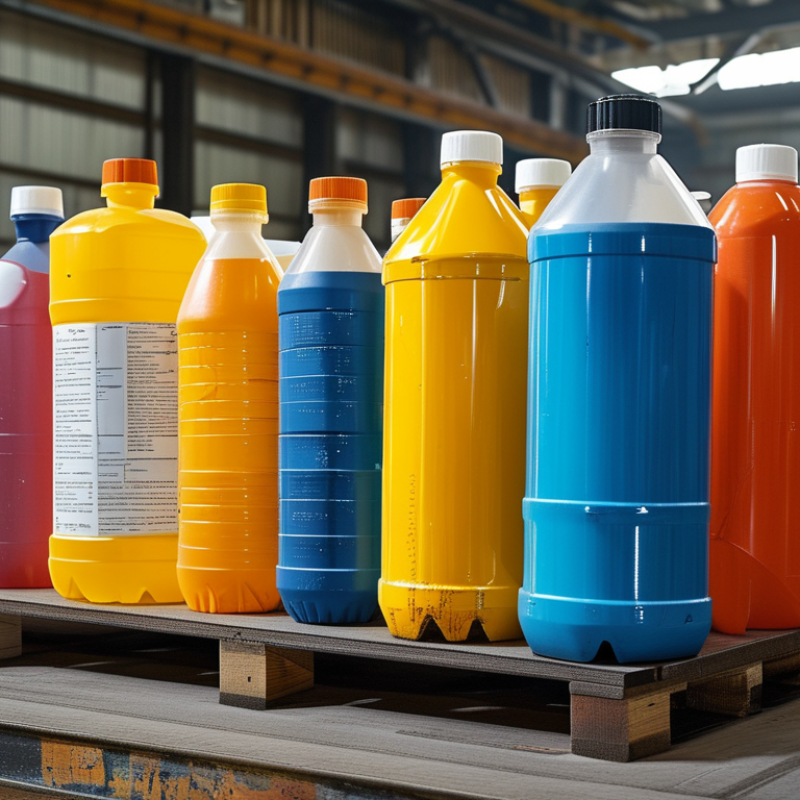
When selecting industrial plastics, it's crucial to understand the various types available. Common choices include polyethylene, polypropylene, and polycarbonate. Each type offers unique properties suited to different applications. For example, polyethylene is highly durable and resistant to impact, making it ideal for containers and packaging. In contrast, polycarbonate provides exceptional clarity and toughness, perfect for safety glasses and optical components.
Tips: Assess the environment where the plastic will be used. Will it face temperature extremes or exposure to chemicals? These factors greatly influence material choice. Additionally, consider the physical demands placed on the plastic. Is flexibility required, or do you need a rigid substance?
While industrial plastics are versatile, they also come with challenges. Some materials may not offer the desired strength or flexibility. It’s essential to evaluate the specific requirements of your project. Consulting with a materials expert can help you navigate these choices effectively. Prioritize reliability and performance to ensure your application succeeds.
Evaluating Mechanical and Chemical Properties of Plastics
Evaluating mechanical and chemical properties of plastics is crucial in industrial applications. These properties determine how materials will perform under various conditions. For example, tensile strength and impact resistance are key mechanical properties. According to a recent report by the Plastics Industry Association, materials like polycarbonate and nylon show superior tensile strength, which makes them ideal for heavy-duty applications.
Chemical resistance is another vital factor. Some plastics resist corrosion from chemicals like acids and solvents, while others do not. A study published in the Journal of Applied Polymer Science noted that fluoropolymers excel in chemical resistance, enduring harsh environments without degrading. However, they also revealed that these materials can be challenging to process, requiring specialized equipment.
Understanding these properties allows industries to make informed choices. However, some companies may overlook the importance of testing materials in the conditions they will face. This can lead to material failure and increased costs. Further investigation into the specific demands of your application can provide a clearer picture of what to select. Data from Frost & Sullivan indicates that customized solutions lead to a 30% reduction in waste. This insight highlights the necessity of thorough evaluation and selection in material procurement.
How to Choose the Best Industrial Plastics for Your Needs?
| Plastic Type |
Tensile Strength (MPa) |
Flexural Modulus (GPa) |
Chemical Resistance |
Temperature Range (°C) |
| Polyethylene (PE) |
20-30 |
0.5-1.0 |
Good |
-50 to 80 |
| Polypropylene (PP) |
30-50 |
1.0-2.0 |
Excellent |
0 to 100 |
| Polyvinyl Chloride (PVC) |
40-60 |
2.5-4.0 |
Good |
-10 to 70 |
| Polystyrene (PS) |
30-50 |
1.0-3.0 |
Fair |
-40 to 70 |
| Acrylic (PMMA) |
70-90 |
3.0-4.0 |
Poor |
-40 to 80 |
Assessing Temperature and Environmental Resistance for Plastics
When selecting industrial plastics, assessing temperature and environmental resistance is crucial. Different applications demand specific material characteristics. For instance, polycarbonate can withstand temperatures up to 135°C, but it may degrade under UV exposure. This is a critical factor to consider if the application involves outdoor use.
According to a report by the Engineering Plastics Association, nearly 40% of plastic-related failures occur due to environmental factors. Exposure to chemicals, moisture, and extreme temperatures can deteriorate materials, leading to costly downtime. Understanding these parameters helps in choosing the right type of plastic.
A significant data point shows that materials with high thermal stability tend to have longer lifespans in demanding environments. However, they often come at a higher cost. Balancing durability and expenses can be challenging. It’s essential to weigh these variables carefully. A flawed choice could lead to frequent replacements and operational inefficiencies, but knowing your specific requirements can guide effective decision-making.
Determining Cost-Effectiveness and Availability of Materials
When it comes to selecting industrial plastics, understanding cost-effectiveness is crucial. Materials vary significantly in price and durability. Assess the total cost of ownership. This includes not only the initial purchase price but also factors like maintenance and longevity. Cost-effective materials should offer a good balance of performance and affordability.
Availability of materials also plays a critical role. Supply chain disruptions can affect the availability of certain plastics. Be aware of local suppliers and their inventory levels. This can save time and prevent production delays. On the flip side, some high-quality plastics can be harder to source. It requires careful planning and sometimes, compromise.
Remember that not all materials are suitable for every application. Fields such as aerospace or medical require stringent standards. Thus, reflecting on your specific needs is necessary. Understanding both cost and material availability will lead to better decision-making. This can greatly enhance both efficiency and productivity in your projects.
Identifying Applications and Industry Standards for Plastic Selection
Choosing the right industrial plastics begins with understanding their applications and the relevant industry standards. Each application has unique demands. For instance, plastics used in the medical field must comply with stringent safety regulations. In contrast, plastics for automotive parts focus on durability and heat resistance. Identifying the specific application will guide the appropriate material choice.
Industry standards serve as benchmarks. They ensure quality and performance across various sectors. ASTM, ISO, and ANSI are pivotal in defining these standards. Familiarizing yourself with these can streamline your selection process. However, it's common to overlook the importance of compliance. Not every plastic meets the necessary criteria for every application.
Consider the environmental impact of your choice. Some plastics are more sustainable than others. This factor is increasingly essential in today’s market. While you may prioritize cost or performance, reflecting on sustainability can enhance your product’s appeal. Engaging with industry experts can provide deeper insights. Their experience can highlight potential pitfalls in your selection process.