How to Choose the Best Polypropylene Plastic Sheets for Your Needs?
Choosing the right polypropylene plastic sheets can be a daunting task. As Mark Thompson, an expert in the plastic manufacturing industry, once stated, “Selecting the right material is crucial for the success of any project.” This highlights the importance of making an informed choice when it comes to polypropylene.
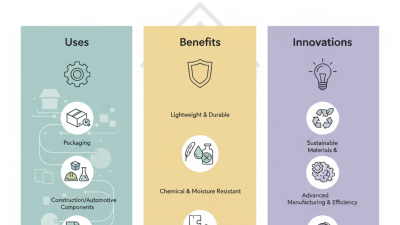
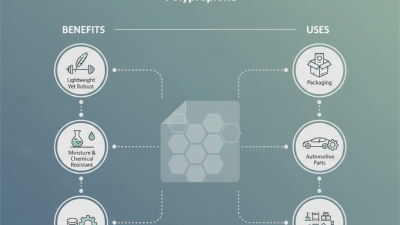
Polypropylene plastic sheets are versatile and widely used across various industries. They are known for their durability, lightweight nature, and resistance to chemicals. These qualities make them ideal for applications ranging from packaging to automotive components. However, not all polypropylene sheets are created equal. Each project has unique requirements that affect the choice of material.
One should consider factors like thickness, color, and surface finish. It’s essential to choose a sheet that fits your specific needs. While some users might overlook these details, doing so can lead to suboptimal results. Therefore, understanding your project’s demands is key to selecting the best polypropylene plastic sheets. This careful consideration can significantly enhance the quality and performance of your final product.
Factors to Consider When Selecting Polypropylene Plastic Sheets
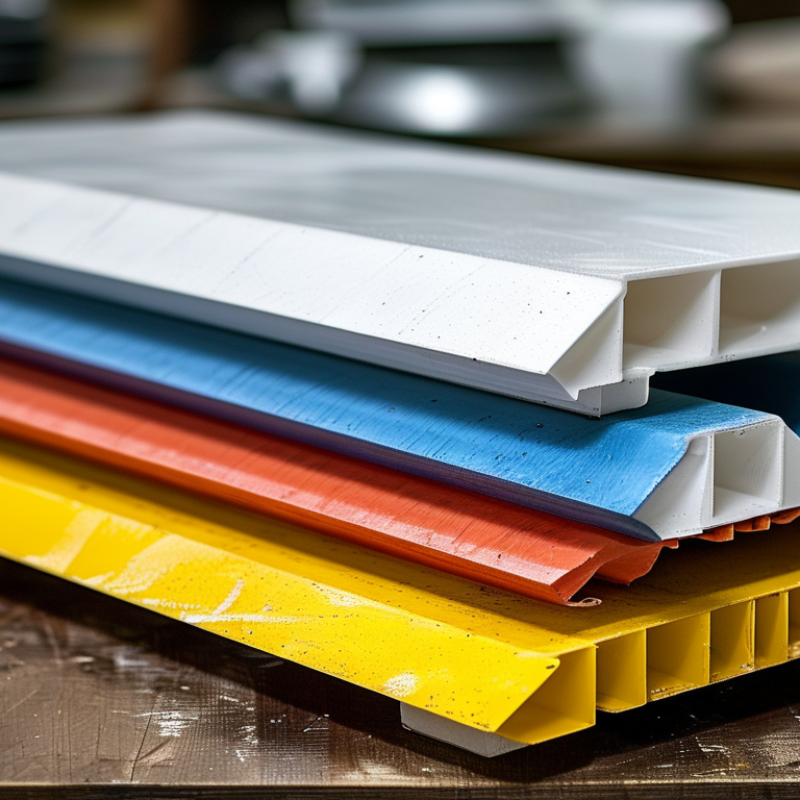
When selecting polypropylene plastic sheets, several factors come into play. Understanding these elements can make your choice easier and more effective. Thickness is key; thicker sheets offer more durability and are ideal for heavy-duty applications. However, if you need flexibility, thinner sheets might be better suited.
Another important factor is the intended use. Different environments can affect the performance of polypropylene sheets. If your project involves outdoor exposure, choosing UV-resistant sheets may be necessary. Additionally, consider whether you need the sheets to be impact-resistant or chemically resistant.
Tips: Always check the specifications. Look for sheets that meet your project's physical demands. Furthermore, think about the appearance; some projects require clear or colored sheets. Reflect on your needs; sometimes, going for the cheapest option could lead to unexpected costs later. Choosing the right polypropylene sheets can significantly impact the success of your project.
Understanding the Different Grades of Polypropylene Materials
When selecting polypropylene plastic sheets, understanding the different grades is crucial. Polypropylene, known for its versatility, comes in various grades catering to different applications. The two primary types are homopolymer and copolymer polypropylene. Homopolymer sheets offer structural strength and rigidity, making them ideal for applications like packaging and automotive components.
In contrast, copolymer polypropylene contains ethylene, enhancing its impact resistance. This makes it more suitable for environments with varying temperatures and potential stress. According to a recent industry report by Smithers, demand for copolymer polypropylene has increased by over 15% in applications such as food containers and medical devices. This reflects a growing preference for durable and reliable products.
Choosing the right grade involves considering specific needs, including temperature tolerance and impact resistance. Some users may overlook these properties, focusing only on cost. However, investing in the right grade can lead to long-term savings by reducing material failures. It’s worth reflecting on how material choices impact overall project success and product lifecycle.
Key Properties of Polypropylene Sheets That Impact Performance
When selecting polypropylene plastic sheets, understanding their key properties is essential. Polypropylene is known for its excellent chemical resistance. This makes it suitable for various applications, from packaging to industrial uses. Its durability is also notable; it can withstand impacts without easily cracking. This resilience makes it a reliable choice for demanding environments.
Another significant property is the weight of polypropylene sheets. They are lightweight, allowing for easy handling and installation. However, this lightweight nature can sometimes lead to concerns about rigidity. Depending on your needs, heavier grades may be necessary for structural applications. Additionally, consider the thickness. A thicker sheet provides greater strength, but it may be less flexible. This balance between strength and flexibility is crucial for your project’s success.
Transparency is another factor to weigh. Some polypropylene sheets are clear, while others are opaque. Your choice will depend on whether visibility is a priority. Surface finish matters too; textured finishes can enhance grip or reduce glare. Reflect on your specific requirements before making a decision. Each property can influence the performance of the sheets in unique ways.
Applications of Polypropylene Plastic Sheets in Various Industries
Polypropylene plastic sheets are used in multiple industries. In packaging, they provide a lightweight yet sturdy option. These sheets protect products during transportation. Their moisture resistance also makes them ideal for food packaging. In construction, polypropylene sheets serve as insulation and vapor barriers. They are durable and can withstand harsh environmental conditions. This adds longevity to buildings and structures.
In the automotive sector, polypropylene is favored for its impact resistance. Components like dashboards and panels benefit from this material. It is lightweight, enhancing fuel efficiency. Moreover, in medical applications, polypropylene sheets are crucial for sterilization. They are easy to clean and sterilize, ensuring safety in healthcare settings. Nevertheless, choosing the right thickness and finish can be challenging.
The recycling aspect of polypropylene also deserves attention. While it is recyclable, many facilities cannot process it. This raises questions about sustainability. Is the industry prepared to tackle this issue? The increasing demand for eco-friendly materials presents both challenges and opportunities. As businesses evaluate their use of polypropylene, they must consider the larger environmental impact.
Cost Analysis and Budgeting for Polypropylene Sheet Purchases
When purchasing polypropylene plastic sheets, budgeting is crucial. Start by assessing your specific needs. Are you using them for insulation, packaging, or another purpose? Each application might require different thicknesses and properties. Determine how many sheets you need and the sizes that will suit your project best. This initial assessment can save unnecessary expenses later.
Next, gather price quotes from various suppliers. Prices can vary based on thickness, size, and source. While lower costs are appealing, consider the sheet’s quality and lifespan. Cheaper options may lead to higher replacement costs down the line. Balancing quality with affordability is essential. Also, consider shipping costs and any possible bulk discounts.
Reflect on your budget. What is the maximum you can spend? Allocate funds for potential unexpected expenses that may arise during your project. Often, projects exceed initial estimates. Being prepared for this reality can help manage your finances more effectively. Keep in mind that while it’s tempting to go for the best deal, investing in high-quality sheets can save you headaches in the long run.