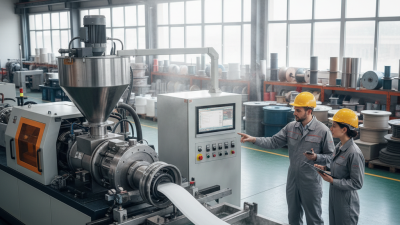
What is a Plastic Extruder and How Does it Work?
A plastic extruder is a vital machine in the manufacturing industry. It transforms raw plastic materials into various shapes and products. This process is essential for creating everything from simple piping to complex components used in modern technology. Understanding how a plastic extruder works provides insight into its impact on everyday life.
The process begins with feeding plastic pellets into the extruder. As the pellets move through the machine, they are heated and melted. This heating process is crucial, as it ensures the plastic flows smoothly through the die. The design of the die ultimately shapes the plastic into the desired form. This transformation is not always perfect, and manufacturers must regularly adjust settings to maintain quality.
Plastic extrusion is a blend of science and artistry. Each step requires precision and knowledge of material behavior. Yet, challenges arise in ensuring consistent quality. Factors like temperature fluctuations and material differences can lead to unexpected results. This complexity highlights the importance of expertise in the operation of a plastic extruder. Even experienced operators must be vigilant and adaptable to achieve optimal outcomes.
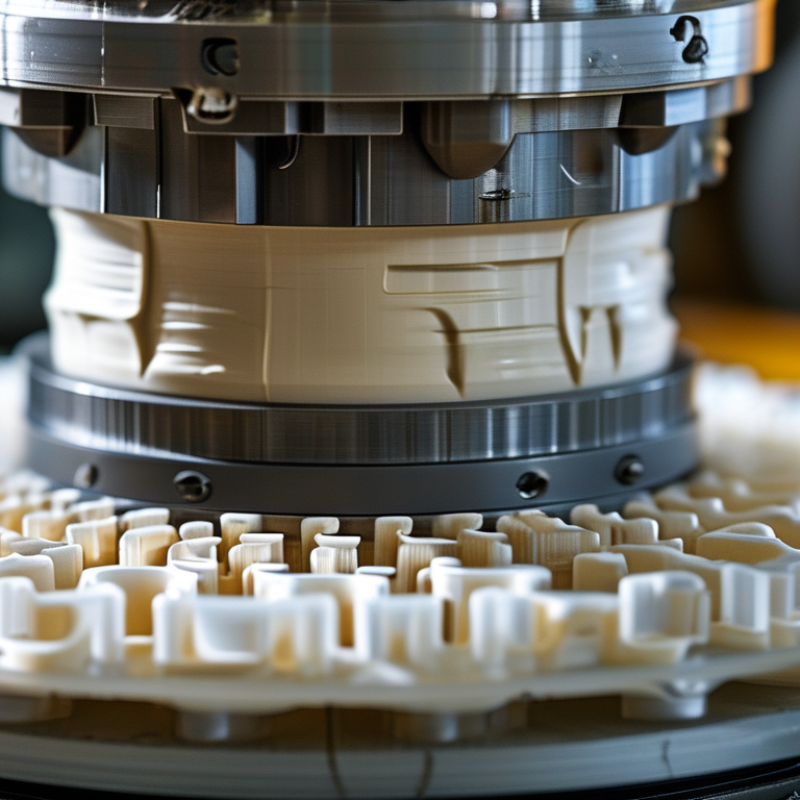
What is a Plastic Extruder: Definition and Overview
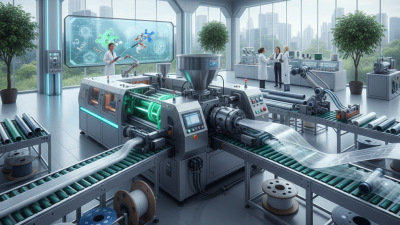
A plastic extruder plays a crucial role in the manufacturing industry. It is a machine that transforms plastic materials into finished products through a continuous process. The working principle is straightforward. Raw plastic pellets are fed into a heated barrel, where they are melted and then forced through a die to create various shapes. The extruder’s design can significantly affect the quality of the output.
Industry reports indicate that the global plastic extrusion market was valued at over $31 billion in 2022. This growth highlights the importance of effective extrusion technology. The machine's efficiency often depends on its components, including the screw design and barrel temperature. Optimizing these factors ensures higher productivity and better material properties. Engineers continuously seek ways to enhance these systems.
However, challenges remain. The balance between speed and quality can be difficult to achieve. There are also sustainability issues related to plastic waste. Many manufacturers are exploring biodegradable alternatives and recycling methods, emphasizing environmental responsibility. The industry must reflect on these concerns while advancing technological capabilities.
Key Components of a Plastic Extruder and Their Functions
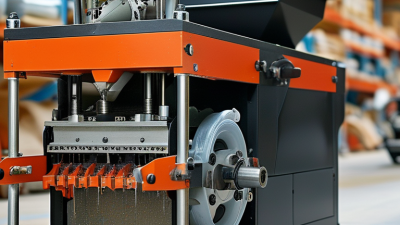
Understanding the key components of a plastic extruder is essential for anyone interested in plastic manufacturing. The extruder starts with a hopper, where plastic pellets enter the machine. The hopper feeds the material into the feed throat. Here, gravity plays a vital role. The design of the hopper must minimize blockages to ensure a smooth flow of material.
Next is the screw, a critical component in the extrusion process. It rotates and kneads the plastic, helping it melt and mix as it moves through the barrel. The temperature control is essential here. A well-regulated temperature ensures even melting. However, overheating can degrade the plastic, making it less suitable for manufacturing.
The die is the final component, shaping the melted plastic into the desired form. Different die designs create various profiles, from sheets to complex shapes. The die must be precisely engineered for accuracy. If not, the end product may suffer from imperfections. Understanding these components not only improves production efficiency but also highlights the need for continual learning in this field.
The Extrusion Process: Step-by-Step Breakdown
The extrusion process is a complex yet fascinating operation in plastic manufacturing. It begins with the feeding of plastic pellets into a heated barrel. The heat melts the plastic, transforming it into a viscous state. According to industry reports, around 23 million tons of plastic were extruded globally in 2021. This significant output reflects the process's pivotal role in various applications, from packaging to construction materials.
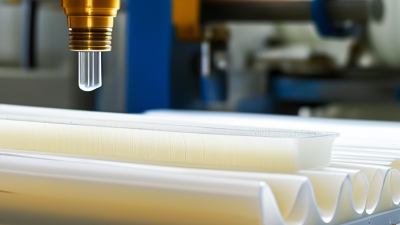
Once the plastic is melted, a rotating screw pushes it toward a die. The die shapes the molten plastic into the desired profile. The design of the die is crucial and can significantly impact product quality. For instance, uneven cooling or improper die design can lead to defects. Studies suggest that 1 to 3% of extruded products may be rejected due to such flaws. Precision in this stage is essential for maintaining quality.
As the extrudate exits the die, it undergoes cooling, usually through water baths or air. After cooling, products are cut to specific lengths. Despite advancements in technology, issues such as inconsistent temperature control and material composition can arise, leading to further quality concerns. Continuous refinement in the process is necessary to enhance efficiency and effectiveness. These challenges indicate that while the extrusion process is highly efficient, it is not without its imperfections.
Plastic Extruder Production Statistics
Applications of Plastic Extrusion Across Various Industries
Plastic extrusion is a versatile manufacturing process with applications across various industries. The flexibility of materials allows for the production of complex shapes and profiles. In the automotive sector, manufacturers utilize plastic extrusion to create components such as dashboards, door panels, and even wiring insulation. According to Grand View Research, the global plastic extrusion market was valued at approximately $192 billion in 2022, reflecting a robust demand.
In the packaging industry, plastic extrusion plays a crucial role. It is commonly used to produce films, which are essential for food packaging. The lightweight and durable nature of extruded plastic helps reduce transportation costs while preserving the freshness of products. Studies indicate a growing need for sustainable materials in packaging, pushing the industry toward innovative solutions.
One tip for businesses focusing on plastic extrusion is to invest in quality materials that minimize waste. Exploring biodegradable options can also align production with environmental goals. Businesses should continuously analyze their extrusion processes, seeking areas for improvement. Enhancing efficiency and reducing defects must be a priority for successful operations in this competitive landscape.
Recent Advances in Plastic Extrusion Technology and Efficiency Insights
Recent advances in plastic extrusion technology have significantly improved efficiency and quality in production processes. One key development is the incorporation of advanced control systems. These systems provide real-time monitoring and feedback. This results in greater precision throughout the extrusion process. Another innovation involves using enhanced materials that withstand higher temperatures, allowing for better processing and durability.
When considering a plastic extruder, focus on energy efficiency. High energy consumption can inflate operational costs. Investing in energy-efficient models can reduce expenses over time. Moreover, regularly maintaining equipment ensures optimal performance and longevity. Machines that are not properly serviced might lead to subpar products or even downtime.
Monitoring the quality of extruded products is crucial. Implementing inline quality checks can catch defects early. This saves time and resources in the long run. However, many facilities still overlook this aspect. It's essential to address this gap to enhance overall productivity. Emphasizing ongoing training for staff on new technologies can bridge this knowledge gap effectively.