Who Are the Top China Polyethylene Plastic Suppliers?
China remains a major sourcing base for polyethylene plastic, serving packaging, agricultural film, piping, household goods, and industrial manufacturing. Yet identifying the right supplier requires more than comparing online prices. Product consistency, technical support, export experience, and documented quality controls matter.
Professor Mark Miodownik has explained, “Plastic is a word that describes a whole range of materials.” This distinction is essential when reviewing Chinese polyethylene suppliers. High-density polyethylene, low-density polyethylene, and linear low-density polyethylene behave differently under heat, pressure, and repeated use. A supplier offering the wrong grade can create brittle film, uneven molding, or costly production delays.
This guide examines leading China polyethylene plastic suppliers through practical purchasing criteria. These include resin grade, melt flow index, density, packaging condition, production capacity, and batch testing. Certifications and traceability also deserve attention. Ask for technical data sheets, safety documents, recent test reports, and physical samples before placing a large order. Look closely at the pellets. They should appear clean, uniform, and free from obvious contamination.
A low quotation can be attractive. It can also hide weaknesses. Some suppliers communicate well before payment, then respond slowly when specifications change. Others show impressive factory images but provide limited evidence of production control. That is not proof of poor quality, but it deserves careful questioning.
The strongest suppliers usually combine stable material performance, transparent documentation, responsive communication, and realistic delivery commitments. No ranking stays perfect forever. Resin markets change, factories expand, and customer reviews may become outdated. This overview therefore offers a practical starting point, not a substitute for independent verification.
What Is Polyethylene and Why Is China a Major Supplier?
Polyethylene is a thermoplastic made from ethylene, a gas produced during hydrocarbon processing. Heat allows it to soften, shape, and cool into durable products. Its low moisture absorption and chemical resistance support many everyday applications.
You can find polyethylene in shopping bags, water pipes, food packaging, cable insulation, and bottle caps. Different grades serve different purposes. High-density polyethylene offers stiffness, while low-density polyethylene provides flexibility. Linear low-density polyethylene often balances strength and stretch for films. Melt flow rate, density, additives, and processing conditions must match the final product.
China has become a major polyethylene supplier through large refining and petrochemical networks. Extensive ports support imported feedstocks and overseas shipments. Modern plants also use several production routes, including oil-based and coal-based processes. This broad industrial base helps maintain substantial output and flexible grade selection. Strong downstream manufacturing creates steady demand and quick access to converters, molders, and packaging producers.
Scale is not everything.
A lower price may hide inconsistent melt flow, weak documentation, or delayed delivery. I would check the technical data sheet, certificate of analysis, batch traceability, and independent test results before purchasing. Factory capacity should also be verified through audits or current production records. One detail is easy to miss. Packaging, storage, and moisture exposure can affect handling quality, even when the resin itself meets specifications. China offers competitive supply, but careful technical review remains necessary.
How to Identify Leading China Polyethylene Plastic Suppliers
A leading China polyethylene plastic supplier is not simply the largest exporter. It should prove stable production, clear traceability, and consistent resin performance. PlasticsEurope reported global plastics production of 413.8 million tonnes in 2023. China remained the largest producing region. This scale creates choice, but also makes supplier screening essential.
Start with technical evidence. Ask for the product datasheet, recent certificate of analysis, safety documentation, and batch records. Compare melt flow rate, density, tensile strength, and moisture levels against your process requirements. Request samples from separate production batches. Test them in your own equipment. A supplier that avoids independent verification deserves caution. Small details matter.
Capacity claims also require checking. Industry capacity surveys from S&P Global Commodity Insights indicate that China’s polyethylene capacity has expanded rapidly in recent years. New capacity does not always mean reliable service. Review production-line age, maintenance records, export experience, and inventory location. Confirm lead times in writing, including peak-season delays. Audit packaging, warehouse conditions, and loading procedures with dated photographs or a live inspection. Verify whether the supplier can provide recycled-content evidence when required. The Ellen MacArthur Foundation reports that recycled plastics still represent a limited share of global plastic production, so sustainability claims need documents, not promises. Price remains important. It should never replace technical proof.
What Industries Use Polyethylene Products from China?
China-based polyethylene suppliers serve a wide industrial customer base, not only packaging converters. PlasticsEurope reported that China produced 32.1% of global plastics in 2022. This scale supports steady access to high-density, low-density, and linear low-density polyethylene grades. Packaging remains the largest outlet, including film, sacks, caps, and protective wrapping. Grand View Research estimates that the global polyethylene market will continue expanding through 2030, driven partly by flexible packaging and e-commerce shipments.
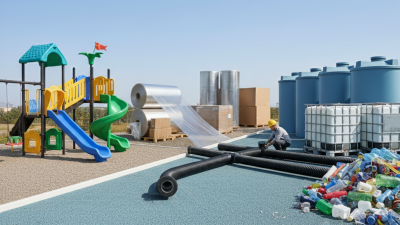
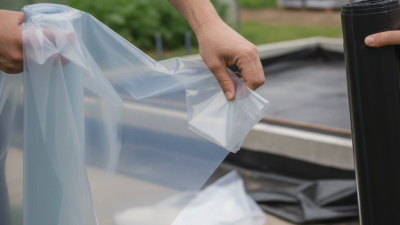
Agriculture also uses Chinese polyethylene products extensively. Farmers depend on greenhouse films, irrigation tubing, mulch films, and water tanks. Construction companies purchase polyethylene pipes, geomembranes, insulation layers, and cable protection products. These applications require more than a low quotation. Buyers should check melt flow index, density, tensile strength, ultraviolet resistance, and environmental stress-cracking performance. A pipe grade that performs well in a warehouse may fail after months of sunlight exposure.
Electrical manufacturers use polyethylene insulation for wires and cables, while healthcare converters select controlled grades for containers, closures, and laboratory packaging. The OECD Global Plastics Outlook highlights packaging as a major source of plastic waste, so responsible buyers should also examine recycled content, production traceability, and end-of-life options. A practical factory audit still matters. Data sheets can look perfect. Real production may vary between batches, and that weakness deserves honest attention.
What Factors Should Buyers Evaluate Before Choosing a Supplier?
Choosing a polyethylene supplier requires more than comparing quoted prices. Buyers should match the resin grade with the finished product, processing method, and expected service life. Film, pipe, container, and rotational molding applications may require different density, melt flow, toughness, or environmental stress-crack resistance.
Fit matters.
Request a current technical data sheet, certificate of analysis, and representative samples. Check whether test results match your own processing conditions. A supplier with an experienced technical team should explain variation clearly, not hide behind general specifications. Ask about batch consistency, traceability, packaging protection, and storage guidance. Small details, such as moisture exposure or damaged bags, can affect production quality.
Reliability also appears in daily operations. Review production capacity, lead times, minimum order quantities, and communication procedures. Can the supplier respond when demand changes? Can it investigate a failed batch with documented evidence? Factory audits, independent testing, and clear quality agreements provide stronger assurance than sales promises. Compliance documents should be relevant, current, and suitable for your market and application.
Price still matters, but the lowest offer may create higher scrap, downtime, or testing costs. Buyers sometimes overvalue a polished presentation and undervalue technical support. That is a mistake worth admitting. Trial orders and realistic production tests reveal more than brochures. Evaluate the full supply relationship, including responsiveness after delivery, because problems often begin after the invoice is paid.
What Should Buyers Evaluate Before Choosing a Polyethylene Supplier?
This practical scorecard assigns typical evaluation weights to the factors that most directly affect polyethylene purchasing decisions. The model is supplier-neutral and does not use company or brand data.