Discover Exciting Plastic Manufacturing Jobs at Allied Plastics

What Are Vacuum Forming Plastic Sheets?

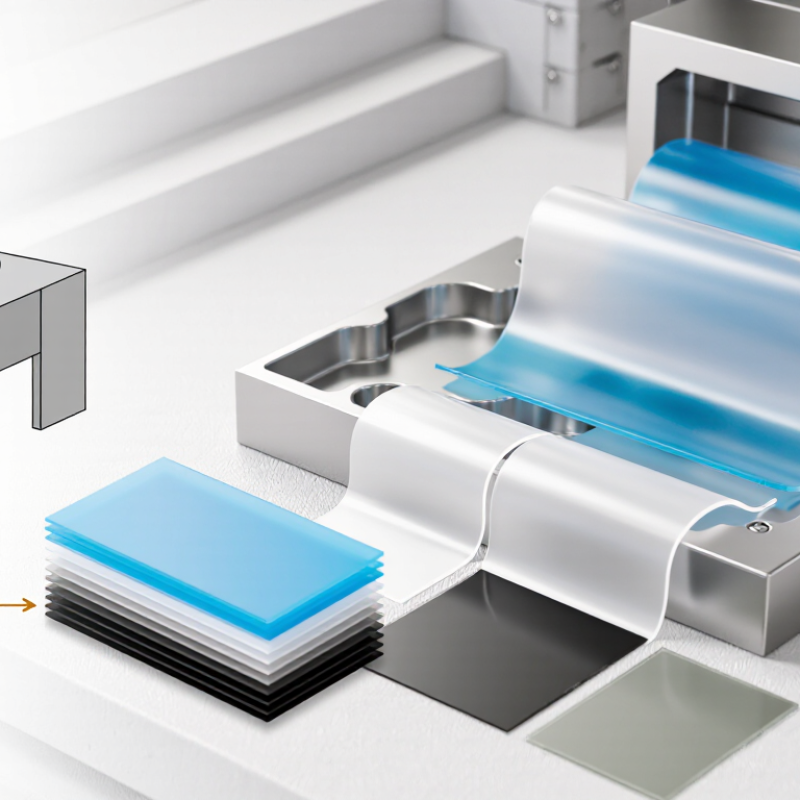
Vacuum forming plastic sheets are flat thermoplastic materials designed to soften under heat and take the shape of a mold. The process looks simple: heat a sheet, draw it over a form, and cool it. The details matter, though. Temperature, sheet thickness, mold shape, and vacuum strength all affect the finished part.

Thermoforming author Dr. James L. Throne’s published work offers a useful engineering perspective. A concise paraphrase of that perspective is: “Even heating and controlled forming are essential to consistent parts.” This is a paraphrase, not a verified verbatim quotation. It points to a practical truth: a sheet that looks uniform can still stretch unevenly over sharp corners or deep cavities.

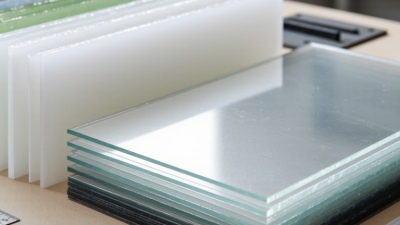
Common choices include ABS, HIPS, PETG, and polycarbonate, each with different forming behavior and performance. A clear PETG panel may suit a display cover, while a thicker ABS sheet may be chosen for a durable enclosure. The right material depends on the part’s shape, use, finish, and operating environment. Small trials help reveal problems before production. Sometimes the first result disappoints. That is useful information, not a reason to ignore the process. This guide explains what vacuum forming plastic sheets are, how they are selected, and which practical details influence reliable results.
What Are Vacuum Forming Plastic Sheets?

What Vacuum Forming Plastic Sheets Are

Vacuum forming plastic sheets are flat thermoplastic panels that soften when heated and take a mold’s shape under vacuum. A heater warms the sheet until it becomes flexible; suction then pulls it against a mold, including its edges and shallow details. After cooling, the formed part is trimmed. A sheet may look smooth yet thin out over deep corners.

Common choices include ABS for impact-resistant parts, HIPS for lightweight housings, and PETG for clear, formable covers. The right sheet depends on the part’s depth, finish, service conditions, and trimming needs. Thickness matters, too: material stretches as it forms, so the finished walls may be thinner than the original sheet. A real production trial often reveals details that a drawing misses.

Industry-wide figures give useful context, but they are not specific to vacuum forming. PlasticsEurope’s Plastics—the Fast Facts 2023 reports 400.3 million tonnes of global plastics production in 2022. The OECD’s Global Plastics Outlook reports that 353 million tonnes of plastic waste were generated in 2019, with 9% ultimately recycled. These figures make material selection and scrap planning worth considering. Vacuum forming can leave trimmed offcuts, and not every sheet or multilayer structure is equally straightforward to recycle. That part deserves checking.

Common Plastics Used for Vacuum Forming

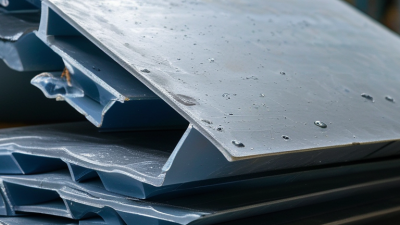
Vacuum-forming sheets behave differently under heat and pressure. High-impact polystyrene (HIPS) is economical and forms readily, making it common for trays, covers, and interior panels. It is less suitable when parts need strong impact resistance. ABS offers better toughness and a durable surface, useful for equipment housings and larger components. PETG is clear, impact-resistant, and relatively forgiving to form, though heat exposure can limit some uses. Acrylic provides excellent clarity, but formed corners may crack if the sheet is stretched too far. No resin is perfect.

PlasticsEurope’s 2024 report, Plastics—The Fast Facts, estimates global plastics production at 413.8 million tonnes in 2023. That figure describes the wider plastics market, not vacuum-forming sheet demand, but it shows the scale of material choices available. In practice, compare sheet thickness, draw depth, operating temperature, and the finished part’s exposure to impact or sunlight. A deep mould can thin a sheet sharply at its corners. That detail is easy to miss. Check the grade’s technical data sheet and run a small forming trial before committing to production; even familiar plastics can sag or cool differently across gauges.

How Sheets Are Heated and Formed

Vacuum forming begins with a flat plastic sheet held in a frame. Heaters warm it until it softens evenly, without scorching or thinning the edges. The target temperature depends on the polymer and sheet thickness. Society of Plastics Engineers thermoforming references give typical forming windows of about 120–160°C for PETG and 150–190°C for ABS. These are working ranges, not fixed settings; actual sheet specifications should guide setup.

Once pliable, the sheet is drawn over a mold by vacuum. Small vents let trapped air escape, while the mold’s shape determines the final contours. Operators watch for even sag and a consistent surface, then adjust heating zones if one area droops faster. Too little heat can leave corners bridged; too much can cause webbing or excessive thinning. It can be surprisingly subtle. A sheet may look ready, yet cool against the mold before reaching a deep recess. After forming, the part stays in place until firm enough to release. The process sounds simple, but each material and mold needs careful trials.

Key Properties and Typical Applications

What Are Vacuum Forming Plastic Sheets? Key Properties and Typical Applications

Vacuum forming plastic sheets soften under heat, then take shape over a mould as air is drawn away. The method suits shallow or moderately detailed parts with broad surfaces. Sheet thickness, forming temperature, and mould design all affect the finished part.

ABS is often selected for impact resistance, while PETG can provide clarity and toughness. HIPS is easy to process for lightweight covers and packaging. These materials are not interchangeable; heat, sunlight, chemicals, and expected wear should guide selection.

Typical applications

Typical applications include equipment housings, machine guards, trays, display panels, and vehicle interior trim. A formed cover may need a smooth surface and sturdy edges, while a tray may prioritize low weight and clean release from its mould.

Large parts can become thin around corners during forming. That detail is easy to overlook, and it can affect durability.

Tips: Check the sheet’s technical data and test a sample with the intended mould. Inspect corners and deep draws for thinning. A material that forms easily may still be a poor fit for long-term outdoor use.

Factors to Consider When Choosing a Sheet

What Are Vacuum Forming Plastic Sheets?

Factors to Consider When Choosing a Sheet

Start with the part’s shape and working conditions. A deep tray may stretch its corners thin, while a shallow cover can preserve more even thickness. Sheet thickness matters, but it does not tell the whole story. The material, forming temperature, and mold design also affect the finished part. Small details matter.

Consider what the part will face after forming. Heat, sunlight, cleaning agents, or repeated impacts may change which plastic is suitable. A clear display cover needs good optical quality; a protective housing may need toughness instead. Surface finish counts, too. Scratches and fingerprints can show up more clearly on glossy sheets.

Check the equipment’s sheet-size and heating limits, and review the material supplier’s processing guidance. Some plastics absorb moisture and may need drying before forming; skipping that step can cause bubbles or surface defects. Test a sample using the real mold, not just a flat piece. That costs time. It can also reveal uneven thinning, warping, or a finish that looks different under workshop lighting. No sheet is ideal for every job, and specifications alone may not predict the final result.

What Are Vacuum Forming Plastic Sheets? - Factors to Consider When Choosing a Sheet Vacuum-forming sheets are thermoplastic sheets heated until pliable, then drawn over or into a mold by vacuum pressure. Material selection depends on the part’s performance requirements and the forming process.
Material or Factor Key Characteristics Potential Limitations Suitable Applications What to Check Before Choosing
HIPS (High-Impact Polystyrene) Generally economical, readily thermoformed, and available in many colors and surface finishes. Heat, weather, and chemical resistance may be limited compared with higher-performance plastics; properties vary by grade. Indoor covers, trays, display components, and general-purpose housings. Confirm required impact performance, operating temperature, finish, and whether the part will be used indoors or outdoors.
ABS (Acrylonitrile Butadiene Styrene) Offers a useful balance of toughness, impact resistance, and formability; available in multiple grades and finishes. Outdoor weathering and chemical resistance depend on grade; some applications may require a protective surface or a UV-stabilized grade. Equipment housings, vehicle interior components, and durable covers. Compare grade-specific impact, UV, chemical, and temperature data with the intended service conditions.
PETG (Polyethylene Terephthalate Glycol-Modified) Can provide good clarity and impact performance, and is commonly selected for parts that need to be formed from transparent sheet. Heat resistance and chemical compatibility are grade-dependent; clarity can be affected by forming conditions and part geometry. Transparent guards, point-of-sale displays, packaging, and formed covers. Check clarity requirements, chemical exposure, service temperature, and the supplier’s recommended forming conditions.
Acrylic (PMMA) Known for optical clarity, surface appearance, and weatherability in suitable grades. More brittle than many impact-resistant plastics and may crack or craze under unsuitable stress or chemical exposure. Display parts, light covers, and components where appearance or transparency is important. Assess impact risk, edge and corner design, chemical contact, and whether optical quality must be maintained after forming.
Polycarbonate (PC) Offers high impact strength and can retain useful performance at higher temperatures than many general-purpose plastics. Sheet may require careful drying and process control; chemical compatibility should be verified for the specific grade. Impact-resistant guards, protective covers, and demanding applications requiring toughness. Review the grade’s forming and drying requirements, operating temperature, impact needs, and chemical exposure.
Service environment Temperature, sunlight, moisture, cleaning agents, and other chemicals can affect strength, appearance, and service life. A material’s general reputation does not guarantee compatibility with a particular chemical or environment. All parts, especially outdoor, heated, frequently cleaned, or safety-related components. Use grade-specific technical data and test the actual material against expected exposure where failure would be costly or hazardous.
Impact and rigidity Impact strength helps resist knocks; stiffness helps a part hold its shape under load. Increasing stiffness alone may not prevent cracking, and formed walls can become thinner in deep-draw areas. Protective enclosures, trays, covers, and parts that carry or support loads. Consider impact direction, loads, corner radii, draw depth, and the minimum wall thickness required in the finished part.
Sheet thickness and draw geometry Thicker starting sheet can provide more material, while mold shape and draw depth influence how material is distributed. Material stretches during forming, so thickness may vary across the part and be lowest in deeply drawn regions. Parts with deep cavities, sharp transitions, large surface areas, or specified minimum wall thickness. Review the mold design, draw ratio, corner radii, and expected wall-thickness distribution with the forming supplier.
Appearance and finish Sheet options may include clear, opaque, colored, textured, or coated surfaces. Forming can change texture, gloss, color appearance, and optical uniformity, particularly where the sheet stretches. Visible consumer-facing parts, displays, transparent guards, and branded-by-design color components. Specify the required side, color, gloss, texture, clarity, and acceptable appearance after forming; request a formed sample when needed.
Production and cost Material price, sheet availability, forming cycle, trimming, scrap, and finishing all contribute to the finished-part cost. The lowest-cost sheet may not be the most economical choice if it increases rejects, finishing work, or replacement frequency. Both prototypes and production parts, particularly where volumes or material usage are significant. Compare total part cost, available sheet sizes and thicknesses, process requirements, scrap rate, and supply consistency.