Where to Buy the Best HDPE Plastic Sheets in China?
China offers many sourcing routes for HDPE plastic sheets, from specialist manufacturers to export agents and industrial marketplaces. The right choice depends on your application, order size, required specifications, and delivery needs. A low quoted price can look attractive, but it may not include cutting, protective packaging, inspection, or freight. Those details can change the final cost.
This guide explains how to compare Chinese suppliers without treating a polished website as proof of quality. It highlights practical checks, including material grade, sheet thickness, color consistency, surface finish, and available technical data. Ask for a recent sample and confirm that its measurements match your requirements. Small details matter. A ruler, caliper, and clear photos can help reveal issues before a larger order. For demanding uses, request relevant test reports and clarify what they cover; requirements differ by application and market.
The article also considers factory-direct purchasing, trading companies, and online sourcing platforms. Each route has trade-offs in communication, customization, minimum order quantities, and quality oversight. Check whether the supplier can explain production tolerances and identify who handles inspection before shipment. Confirm packaging and lead times in writing, especially for large sheets that can bend or suffer edge damage in transit. No checklist is perfect; production batches can still vary. Use these points to build a shortlist, ask focused questions, and decide which supplier offers the best balance of documented quality, service, and total delivered cost.
Understanding HDPE Plastic Sheets and Their Common Uses
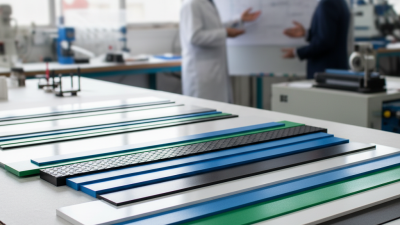
HDPE (high-density polyethylene) sheet is a tough, lightweight thermoplastic used where moisture resistance and easy fabrication matter. It is commonly cut into tank liners, marine panels, wear strips, cutting surfaces, and guards for machinery. Its low water absorption and resistance to many chemicals make it practical in damp workshops and outdoor settings. However, untreated grades can degrade under prolonged sunlight, and the material expands with heat. Those details matter when panels must fit closely.
PlasticsEurope’s Plastics—The Fast Facts 2023 report states that polyethylene represented 27.4% of global plastics production in 2022. That figure covers several polyethylene types, not HDPE alone, but it shows the material family’s broad industrial use. When comparing Chinese sheet suppliers, check resin grade, thickness tolerance, surface finish, and whether the sheet is virgin or recycled. Ask for a technical data sheet and a sample before ordering a large batch. A smooth-looking sheet is not proof of consistent internal quality.
Tips: Match the grade to the job. For outdoor panels, ask about UV stabilization; for fabricated parts, confirm machining and welding guidance. Check dimensions with calipers on arrival. One limitation is easy to overlook: HDPE can creep under sustained load, so a heavily loaded shelf may sag over time.
Identifying Quality Standards for HDPE Sheets in China
Where to Buy the Best HDPE Plastic Sheets in China?
Identifying Quality Standards for HDPE Sheets in China
When sourcing HDPE sheets in China, judge suppliers by traceable specifications, not price alone. Plastics Europe reported 413.8 million tonnes of global plastics production in 2023; this broad market figure is not HDPE-specific, but it shows why clear material records matter. Ask for a batch certificate stating resin type, sheet thickness, colour, and production date. Check whether the quoted tolerances are written into the purchase specification.
Request test results with named methods. ISO 1183-1 covers density measurement, while ISO 527-2 covers tensile properties of plastics. These methods help buyers compare results, but they do not set every sheet’s acceptance limits. Agree on limits for thickness variation, flatness, and impact performance before ordering. For outdoor use, ask how UV resistance is tested and whether the test reflects your exposure conditions. A neat certificate is useful. It is not proof by itself. Independent testing of a production sample can expose gaps.
Tips: Ask for a cut sample from the same production batch, then measure it at several points with a calibrated gauge. Keep the sample and test record. Small discrepancies can be inconvenient, and specifications sometimes need a second look.
Where to Buy HDPE Plastic Sheets in China? Check Material Density
Use density as an initial material-screening check when comparing HDPE sheets. The range shown is typical for HDPE, not a universal acceptance limit for sheet products.
Typical HDPE density: 0.941–0.965 g/cm³. Ask suppliers for a product-specific specification and test report. Density can be measured using GB/T 1033.1 or ISO 1183-1; also verify mechanical properties and sheet dimensions against your application requirements.
Comparing HDPE Sheet Manufacturers, Distributors, and Marketplaces
Where to Buy the Best HDPE Plastic Sheets in China?
Comparing HDPE Sheet Manufacturers, Distributors, and Marketplaces
Direct manufacturers can offer custom thicknesses, colors, and cut-to-size sheets. They are often suitable for repeat orders, but minimum quantities and lead times may be less flexible. Ask for a current technical data sheet, batch identification, and test results for density and tensile properties. A polished certificate alone is not enough; verify that its values match the grade you will receive.
Distributors usually keep common sizes in stock and can simplify smaller purchases. Marketplaces make supplier comparisons quick, yet listings may not reveal who actually produced the sheet. Check edge finish, thickness tolerance, surface condition, and packaging. Request a small sample before ordering a full pallet. PlasticsEurope’s Plastics – the Fast Facts 2024 reports global plastics production of 413.8 million tonnes in 2023, showing the scale of this supply chain. That matters.
Tips: Compare landed cost, not just the sheet price. Ask whether the quote includes cutting, export packing, and freight. Photograph the sample beside a ruler, then record its measured thickness. If two suppliers give different answers about tolerance, pause and ask again. It feels inefficient, but a little doubt can prevent a costly mismatch.
Evaluating Chinese Suppliers for Product Quality and Reliability
Where to Buy the Best HDPE Plastic Sheets in China?
When evaluating Chinese suppliers, verify the material—not just the quotation. PlasticsEurope’s Plastics—The Fast Facts 2023 reported global plastics production of about 400.4 million tonnes in 2022, with China accounting for 32%. This scale offers broad sourcing options, but production volume alone says nothing about an individual sheet’s quality.
Ask for resin-grade details, batch traceability, and written thickness tolerances. Compare a physical sample against the specification, checking edges, surface marks, and thickness at several points. Request test data for density and tensile properties, with methods such as ISO 1183 and ASTM D638 identified clearly. A certificate without a matching batch number is weak evidence. Small details matter.
Reliability also shows in communication and repeat orders. Ask how the supplier handles out-of-tolerance sheets, packaging damage, and production changes. Confirm lead times in writing, then compare a later batch with the approved sample. Third-party testing can help when the application is demanding, but it adds time and cost. No checklist catches everything. Even careful buyers may overlook a minor variation until installation; document acceptance criteria before production rather than relying on verbal assurances.
Selecting a Supplier and Verifying Your HDPE Sheet Order
When deciding where to buy HDPE plastic sheets in China, check the supplier’s process, not just its catalog.
PlasticsEurope’s Plastics—The Fast Facts 2023 reports that China produced about
32% of global plastics in 2022, within a
400.3-million-tonne global total.
That scale offers choices, but it does not confirm any supplier’s sheet quality. Ask for
resin grade, production-batch traceability, and written tolerances for thickness and dimensions.
Small details matter.
Request a recent certificate of analysis and test results for density and melt flow rate; confirm whether UV resistance or food-contact suitability is required for your application.
Before placing a large order, inspect a sample against your drawing.
Measure thickness at several points with a calibrated caliper, and check the edges, surface, and flatness under consistent lighting. Ask the supplier to confirm the inspection method and acceptance limits in writing. Compare the sample and paperwork with the production batch, not only with a sales specification.
Packaging matters, too: corner protection and flat support can reduce damage during transport.
An independent laboratory can verify disputed properties. Still, a test report only covers the sample tested, so confirm how the supplier links samples to shipped batches.
Verification takes time, but a rushed order can cost more.