How to Choose the Right ABS Plastic for Your Project?
ABS plastic is valued for its impact resistance, machinability, and smooth finish. Yet the right choice depends on the part, not just the resin name. A dashboard trim piece faces different demands from a tool housing or a child’s building block. Heat, impact, chemicals, sunlight, and surface appearance can all change which grade makes sense. Small details matter.
Professor Tim A. Osswald is recognized for his work in polymer processing. The following is a paraphrase, not a verbatim quotation: “Choose a grade for the process and part, not merely the polymer name.” That principle helps keep selection practical. A standard injection-molding grade may suit a rigid indoor enclosure, while a high-impact grade may better tolerate drops. For outdoor use, UV exposure deserves attention; ordinary ABS can discolor or become brittle in sunlight.
Compare grade datasheets, including impact strength, heat-deflection temperature, melt-flow behavior, and chemical resistance. Then check whether those figures match your actual conditions. A datasheet is useful, but it cannot fully predict a thin wall, a sharp corner, or a poorly cooled mold. No grade wins every test. It is easy to focus on strength and overlook assembly, finish, or cost. Narrow your options, consult the supplier, and test molded samples under realistic use. The best fit is usually the grade that performs reliably without adding properties your project does not need.
Understand ABS Plastic Properties and Available Grades
ABS is not a single, fixed-performance material. CAMPUS polymer data sheets report typical injection-moulding ABS tensile strengths around 35–50 MPa and heat-deflection temperatures roughly 80–105°C. Actual results depend on the grade, test load, and specimen conditions. Check the data sheet, not just the resin family name.
Impact-modified grades suit housings that may be dropped or knocked. High-heat grades are better near warm motors or enclosed electronics, while UV-stabilised grades are more appropriate for prolonged outdoor exposure. Flame-retardant grades may carry a V-0 classification under the UL 94 test, but the rating depends on specimen thickness.
Small detail. A thin panel and a thick block can behave differently.
Match the grade to the manufacturing process, too. Injection-moulding grades are not automatically suitable for extrusion or thermoforming. Compare the supplier’s reported impact strength, melt flow, shrinkage, and heat-deflection temperature under stated test methods, such as ISO 180 and ISO 75. CAMPUS data sheets make grade comparisons easier, but figures from different tests are not directly interchangeable. I would still prototype the actual part: sharp corners, screw bosses, and thin ribs can reveal weaknesses that a neat table misses.
Define Your Project’s Performance and Design Requirements
Before choosing an ABS plastic grade, define what the part must do in real use.
A protective housing may need to resist drops, while a small clip must flex repeatedly without cracking. Be specific about expected loads, impact points, and service temperature. Write down the actual range, not just “indoors” or “high strength.” Small details matter.
Consider the surrounding environment, too.
Contact with oils, cleaning agents, or prolonged sunlight can affect performance. Standard ABS is not ideal for every exposure, so verify compatibility with the material supplier’s technical data. There is a catch: test conditions may not match your workshop or customer’s environment. A short trial can reveal issues that a data sheet cannot.
Design requirements are equally practical.
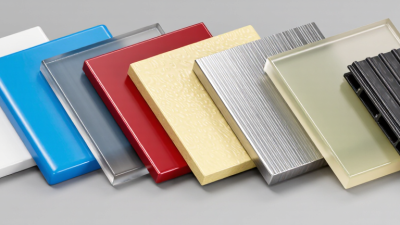
Note the part’s dimensions, wall thickness, visible surfaces, color, and acceptable warping. A glossy finish may show scratches and unevenness more clearly than a textured surface. Tight tolerances can increase tooling and inspection demands. Keep the design realistic. Build a prototype, check fit and appearance, then test it under representative loads and temperatures. If a feature fails, revise the requirement or geometry before committing to production.
Compare ABS Grades, Blends, and Material Certifications
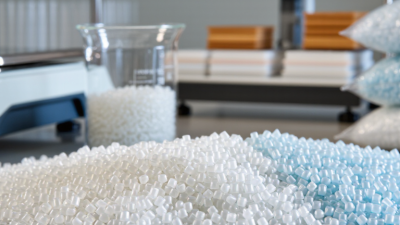
ABS grades differ in impact strength, heat resistance, flow, and surface finish. High-impact grades suit snap-fit housings; heat-resistant grades better tolerate warm enclosures. PC/ABS blends can improve heat performance while retaining impact resistance, though they may cost more. MatWeb’s compiled material records place many ABS grades near 1.04–1.07 g/cm³, with tensile strength varying roughly from 30 to 50 MPa. These are comparison ranges, not design guarantees. Check the exact grade’s datasheet.
Tip: Compare test data at the same temperature and specimen thickness. A small mismatch can mislead.
Certifications must match the intended use. UL 94 flammability classifications depend on specimen thickness and test conditions; a V-0 result at one thickness does not prove performance at another. For mechanical comparisons, check whether tensile values follow ASTM D638 and impact values follow a stated test method. Ask for documentation tied to the exact grade, color, and manufacturing site. Recycled-content claims also need traceable supporting records. One detail is easy to overlook: the chosen colorant or additive package can change properties, so validate the final molded part—not only the base resin.
Assess Manufacturing Methods, Environment, and Cost
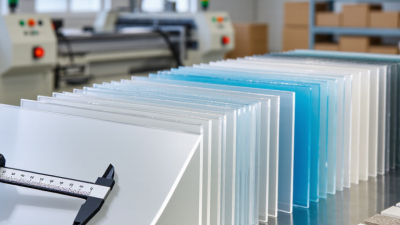
Choosing ABS starts with the manufacturing route. Injection molding suits housings with ribs, clips, and detailed surfaces, but mold design and trial runs add upfront cost. Extrusion is better for continuous profiles; thermoforming can fit larger, simpler panels. ABS usually offers a useful balance of impact resistance and finish. Still, thin corners can warp, so test the actual geometry rather than trusting a material datasheet alone. Price the full process: resin, tooling, cycle time, rejects, and finishing. A cheaper grade may cost more if it needs extra machining.
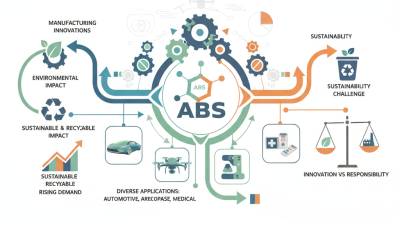
Environment matters just as much. Standard ABS can discolor or lose toughness under prolonged sunlight, while heat and cleaning chemicals may affect performance. For outdoor parts, compare UV-stabilized grades and test samples in realistic conditions. The OECD’s Global Plastics Outlook reports that only 9% of plastic waste was ultimately recycled in 2019; this figure covers plastics broadly, not ABS specifically. It is a useful reminder to check recycled-content availability and end-of-life options before locking the specification.
Ask suppliers for grade-specific processing and property data, then make a small prototype. Measure fit after cooling, and expose samples to the temperatures and cleaners they will actually meet. One easy trap: optimizing only for resin price. I would revisit that choice if tooling, scrap, or environmental exposure changes. A brief production trial can reveal issues that a spreadsheet misses.
Test and Select the Best ABS Grade for Your Project
Selecting an ABS grade starts with the conditions your part will face. List its expected temperature, impact, load, and contact with cleaning agents. Then cut several small test coupons from each candidate grade. Keep their thickness and shape consistent. Small details matter.
Compare grades using the same tests, not just supplier data. For an enclosure, check impact resistance and dimensional stability after heating. For a snap-fit clip, test repeated bending and assembly force. Record the results, including cracks, whitening, warping, and changes in fit. A simple measurement log can reveal differences that are easy to miss by eye.
Run samples through a production-like process, too. Molding temperature and cooling time can affect the finished part, so a lab coupon may not tell the whole story. Watch for uneven filling, sink marks, and difficult ejection. Then inspect parts after they have cooled and rested. A clean sample is not proof; it is an easy conclusion to reach. Repeat tests when results vary, and note any compromises. The grade with the highest impact result may not give the surface finish or stiffness your design needs.
How to Choose the Right ABS Plastic for Your Project?
Compare typical tensile-strength ranges for common ABS grade families. Use these values as a starting point, then verify the exact grade’s datasheet and test conditions.
Typical ranges shown are indicative, in MPa. Formulation, specimen preparation, and test method can change results. Choose a grade by also checking impact resistance, heat resistance, chemical exposure, processing needs, and applicable safety requirements.